Human Health and Disease has 100 questions in this archive of official NEET and AIPMT papers, asked between 2006 and 2026. It appeared in 33 of the 33 papers held here (AIPMT 2006 to Re-NEET 2026); the most recent paper with a question from it is Re-NEET 2026. The most-asked topics by tag are Details of Immunity (21), Drugs & Alcohol Abuse (16) and Active & Passive Immunity (11). In the last 10 main papers (2017 to 2026) it had 32 questions.
Human Health and Disease practice hub Take the chapter test
Human Health and Disease PYQs year by year
| Year | Papers in archive | Questions | By paper |
|---|---|---|---|
| 2026 | 2 | 6 | NEET 2026: 2, Re-NEET 2026: 4 |
| 2025 | 1 | 5 | NEET 2025: 5 |
| 2024 | 3 | 9 | NEET 2024: 5, NEET 2024 Re-exam (1,563 candidates): 2, NEET 2024 (Jhajjar): 2 |
| 2023 | 2 | 6 | NEET 2023: 3, NEET 2023 (Manipur): 3 |
| 2022 | 3 | 6 | NEET 2022: 2, NEET 2022 (Abroad): 2, NEET 2022 (Ganganagar): 2 |
| 2021 | 1 | 1 | NEET 2021: 1 |
| 2020 | 2 | 5 | NEET 2020: 3, NEET 2020 (Covid Re-exam): 2 |
| 2019 | 2 | 6 | NEET 2019: 4, NEET 2019 (Odisha): 2 |
| 2018 | 1 | 3 | NEET 2018: 3 |
| 2017 | 1 | 2 | NEET 2017: 2 |
| 2016 | 2 | 4 | NEET 2016 Phase 1: 2, NEET 2016 Phase 2: 2 |
| 2015 | 2 | 9 | AIPMT 2015: 5, AIPMT 2015 Re-exam: 4 |
| 2014 | 1 | 3 | AIPMT 2014: 3 |
| 2013 | 2 | 4 | NEET 2013: 2, NEET 2013 (Karnataka): 2 |
| 2012 | 2 | 10 | AIPMT 2012: 6, AIPMT 2012 Mains: 4 |
| 2011 | 1 | 4 | AIPMT 2011: 4 |
| 2010 | 1 | 4 | AIPMT 2010: 4 |
| 2009 | 1 | 5 | AIPMT 2009: 5 |
| 2008 | 1 | 4 | AIPMT 2008: 4 |
| 2007 | 1 | 1 | AIPMT 2007: 1 |
| 2006 | 1 | 3 | AIPMT 2006: 3 |
Most-asked topics (top 15 of 16)
| Topic | PYQs |
|---|---|
| Details of Immunity | 21 |
| Drugs & Alcohol Abuse | 16 |
| Active & Passive Immunity | 11 |
| AIDS | 11 |
| Human Immune System | 8 |
| Common Cold & Malaria Introduction | 8 |
| Ascariasis & Filariasis | 8 |
| Treatment & Life Cycle of Malaria | 7 |
| Allergies & Autoimmunity | 6 |
| Typhoid Fever | 6 |
| Cancer | 5 |
| Common Diseases in Humans | 5 |
| Pneumonia & Related Questions | 5 |
| Fungal Infection & Concept of Immunity | 4 |
| Amoebiasis | 3 |
Human Health and Disease NEET PYQ 2026 (6 questions)
Q1 Re-NEET 2026 Drugs & Alcohol Abuse
- Anti-retroviral drugs
- Interferon
- Antibiotic
- Morphine
Show answer
Answer: (4) Morphine
Why: Morphine is an opioid analgesic that relieves severe pain and also produces sedation, which is why it is given to patients after surgery. Anti-retroviral drugs treat viral infections, interferon is an antiviral signalling protein, and antibiotics act against bacteria, so none of them serve this purpose.
Q2 Re-NEET 2026 Active & Passive Immunity
- IgD
- IgG
- IgM
- IgA
Show answer
Answer: (4) IgA
Why: Colostrum, the first milk secreted during early lactation, is rich in IgA antibodies, which provide passive immunity to the newborn's mucosal surfaces. IgG, IgM and IgD are present in smaller amounts in colostrum compared with IgA.
Q3 Re-NEET 2026 Treatment & Life Cycle of Malaria
- Fertilization takes place in mosquito gut
- Reproduces sexually in liver cells
- Reproduces sexually in RBCs
- Gametocytes develop in mosquito gut
Show answer
Answer: (1) Fertilization takes place in mosquito gut
Why: Plasmodium undergoes sexual reproduction in the gut of the female Anopheles mosquito, where gametes fuse to form a zygote. This fertilization in the mosquito gut is the correct statement.
Q4 Re-NEET 2026 Human Immune System
(a) Bone marrow
(b) Tonsils
(c) Spleen
(d) Thymus
Choose the correct answer from the options given below :
- (a) and (d) only
- (a) and (b) only
- (b) and (c) only
- (b) and (d) only
Show answer
Answer: (3) (b) and (c) only
Why: The tonsils and the spleen are secondary lymphoid organs, where lymphocytes are activated when they encounter antigens. Bone marrow and thymus are primary lymphoid organs, where lymphocytes are produced and mature.
Q5 NEET 2026 (3 May, cancelled) Drugs & Alcohol Abuse
| List-I (Drug) |
List-II (Effect) |
||
| A. | Nicotine | I. | Causes sense of euphoria and increased energy |
| B. | Morphine | II. | Stimulates adrenal gland to release catecholamines into blood circulation |
| C. | Heroin | III. | Effective sedative and painkiller |
| D. | Cocaine | IV. | A depressant; slows down body function |
- A-III, B-II, C-IV, D-I
- A-II. B-III, C-IV, D-I
- А-ІІ, В-III, C-I, D-IV
- A-III, B-II, C-I, D-IV
Show answer
Answer: (2) A-II. B-III, C-IV, D-I
Why: Nicotine stimulates the adrenal gland to release catecholamines into the blood, morphine is an effective sedative and painkiller, heroin is a depressant that slows body functions, and cocaine causes a sense of euphoria and increased energy. This matches the option A-II, B-III, C-IV, D-I.
Q6 NEET 2026 (3 May, cancelled) Treatment & Life Cycle of Malaria
| A. | The parasites reproduce asexually in RBCs, bursting the cells. |
| B. | The parasites reproduce asexually in liver cells, bursting the cells and releasing into blood. |
| C. | Gametocytes develop in RBCs. |
| D. | Sporozoites reach the liver through the blood. |
| E. | Female mosquito injects sporozoites into humans during bite. |
- A, B, C, D, E
- E, D, B, A, C
- C, A, B, D, E
- E, C, D, B, A
Show answer
Answer: (2) E, D, B, A, C
Why: The life cycle begins when the female mosquito injects sporozoites during a bite, and the sporozoites travel through the blood to the liver. There they multiply asexually in liver cells, bursting them and releasing parasites into the blood, which then invade red blood cells for further asexual cycles. Some of these develop into gametocytes within the red blood cells.
Human Health and Disease NEET PYQ 2025 (5 questions)
Q7 NEET 2025 Cancer
| A. | A mass of proliferating cell |
| B. | Rapid growth of cells |
| C. | Invasion and damage to the surrounding tissue |
| D. | Those confined to original location |
- A, B, D only
- B, C, D only
- A, B only
- A, B, C only
Show answer
Answer: (4) A, B, C only
Why: Neoplastic cells show a mass of proliferating cells and rapid, uncontrolled growth, and they can invade and damage the surrounding tissue. Cells that remain confined to their original location are not a defining neoplastic characteristic, because growth that stays localised is typically benign.
Q8 NEET 2025 Cancer
| A. | Computed tomography and magnetic resonance imaging detect cancers of internal organs. |
| B. | Chemotherapeutic drugs are used to kill non-cancerous cells. |
| C. | Interferon activates the cancer patients' immune system and helps in destroying the tumor. |
| D. | Chemotherapeutic drugs are biological response modifiers. |
| E. | In the case of leukemia, blood cell counts decrease. |
- C and D only
- A and C only
- B and D only
- D and E only
Show answer
Answer: (2) A and C only
Why: Computed tomography and magnetic resonance imaging are used to detect cancers of internal organs, and alpha interferon activates the patient's immune system to help destroy tumour cells. Chemotherapeutic drugs kill dividing cells, including cancerous ones, and they are not biological response modifiers, while leukaemia typically increases abnormal white blood cell counts rather than decreasing them.
Q9 NEET 2025 Human Immune System
| A. | thymus |
| B. | bone marrow |
| C. | spleen |
| D. | lymph nodes |
| E. | Peyer's patches |
- E, A, B only
- C, D, E only
- B, C, D only
- A, B, C only
Show answer
Answer: (2) C, D, E only
Why: Lymphocytes mature in the primary lymphoid organs, the bone marrow and thymus, and then travel to secondary lymphoid organs such as the spleen, lymph nodes and Peyer's patches, where they encounter antigens. The option listing spleen, lymph nodes and Peyer's patches is therefore correct, while the thymus and bone marrow are primary organs and do not fit.
Q10 NEET 2025 Active & Passive Immunity
- Cell-mediated Immunity
- Humoral Immunity
- Acquired Immunity
- Innate Immunity
Show answer
Answer: (4) Innate Immunity
Why: Innate immunity is the non-specific defence that a person is born with, including physical barriers, phagocytosis and inflammatory responses. Cell-mediated, humoral and acquired immunity are specific responses that develop after exposure to antigens. The option naming innate immunity is correct.
Q11 NEET 2025 Details of Immunity
- Antigen binding site is located at C-terminal region of antibody molecules.
- Constant region of heavy and light chains are located at C-terminus of antibody molecules.
- Each antibody has two light and two heavy chain.
- The heavy and light chains are held together by disulfide bonds.
Show answer
Answer: (1) Antigen binding site is located at C-terminal region of antibody molecules.
Why: The antigen binding site is formed by the variable regions at the N-terminal ends of the light and heavy chains, not at the C-terminal region. The constant regions are at the C-terminus, and the chains are linked by disulfide bonds, with each antibody having two light and two heavy chains.
Human Health and Disease NEET PYQ 2024 (9 questions)
Q12 NEET 2024 (Jhajjar) Active & Passive Immunity
- Natural active immunity
- Artificial active immunity
- Natural passive immunity
- Artificial passive immunity
Show answer
Answer: (4) Artificial passive immunity
Why: Hyper immune horse serum contains ready-made antibodies produced in another animal, and giving it to a recipient transfers those antibodies directly. The recipient's own immune system does not make them, so this is artificial passive immunity.
Q13 NEET 2024 (Jhajjar) Details of Immunity
| Assertion (A): | Some human organs like liver, kidney fail to function normally and transplantation is the only remedy to enable the patient to live a normal life. |
| Reason (R): | Tissue matching and blood group matching are essential before undertaking any transplant and patient has to take immunosuppresant thereafter. |
- Both (A) and (R) are True and (R) is the correct explanation of (A)
- Both (A) and (R) are True but (R) is not the correct explanation of (A)
- (A) is True but (R) is False.
- (A) is False but (R) is True.
Show answer
Answer: (2) Both (A) and (R) are True but (R) is not the correct explanation of (A)
Why: Both statements are true: liver and kidney failure often can only be corrected by transplantation, and tissue and blood group matching along with lifelong immunosuppressants are needed for transplant success. However, the Reason describes procedures to prevent rejection and does not explain why transplantation is needed, so it is not the correct explanation of the Assertion.
Q14 NEET 2024 Re-exam (1,563 candidates) Details of Immunity
| List-I | List-II | ||
| A. | Malignant tumors | I. | Destroy tumors |
| B. | MALT | II. | AIDS |
| C. | NACO | III. | Metastasis |
| D. | α - Interferons | IV. | Lymphoid tissue |
- A-III, B-IV, C-II, D-I
- A-IV, B-III, C-II, D-I
- A-III,B-IV ,C-I, D-II
- A-III, B-I,C-IV ,D-II
Show answer
Answer: (1) A-III, B-IV, C-II, D-I
Why: Malignant tumours spread to distant sites by metastasis. MALT (mucosa-associated lymphoid tissue) is a part of the lymphoid tissue, NACO is the National AIDS Control Organisation, and alpha interferons are signalling proteins that act against viral infection and can inhibit tumour growth.
Q15 NEET 2024 Re-exam (1,563 candidates) Details of Immunity
| List-I | List-II | ||
| A. | B-Lymphocytes | I. | Passive immunity |
| B. | Interferons | II. | Cell mediated immunity |
| C. | T-Lymphocytes | III. | Produce an army of proteins in response to pathogens |
| D. | Colostrum | IV. | Innate immunity |
- A-I,B-IV,C-II,D-III
- A-IV,B-II,C-III,D-I
- A-III,B-IV,C-II,D-I
- A-II,B-IV,C-I,D-III
Show answer
Answer: (3) A-III,B-IV,C-II,D-I
Why: B-lymphocytes produce antibodies, which is the army of proteins that responds to pathogens, while interferons are proteins that belong to innate immunity. T-lymphocytes mediate cell-mediated immunity, and colostrum supplies ready-made antibodies to the infant, which is passive immunity.
Q16 NEET 2024 Allergies & Autoimmunity
A: Myasthenia gravis
B: Rheumatoid arthritis
C: Gout
D: Muscular dystrophy
E: Systemic Lupus Erythematosus (SLE)
Choose the most appropriate answer from the options given below:
- A, B, & E only
- B, C & E only
- C, D & E only
- A, B & D only
Show answer
Answer: (1) A, B, & E only
Why: Myasthenia gravis, rheumatoid arthritis and systemic lupus erythematosus are autoimmune disorders in which the immune system attacks the body's own tissues. Gout is a metabolic disorder caused by uric acid crystal deposition, and muscular dystrophy is an inherited muscle-degenerating disorder.
Q17 NEET 2024 Common Diseases in Humans
| List-I | List-II | ||
| A. | Common cold | I. | Plasmodium |
| B. | Haemozoin | II. | Typhoid |
| C. | Widal test | III. | Rhinoviruses |
| D. | Allergy | IV. | Dust mites |
Choose the correct answer from the options given below:
- A-I, B-III, C-II, D-IV
- A-III, B-I, C-II, D-IV
- A-IV, B-II, C-III, D-I
- A-II, B-IV, C-III, D-I
Show answer
Answer: (2) A-III, B-I, C-II, D-IV
Why: The common cold is caused by rhinoviruses, haemozoin is a crystalline waste product formed by Plasmodium while it digests haemoglobin, the Widal test is a serological diagnostic test for typhoid, and allergy can be triggered by dust mites.
Q18 NEET 2024 Drugs & Alcohol Abuse
| List-I | List-II | ||
| A. | Cocaine | I. | Effective sedative in surgery |
| B. | Heroin | II. | Cannabis sativa |
| C. | Morphine | III. | Erythroxylum |
| D. | Marijuana | IV. | Papaver somniferum |
Choose the correct answer from the options given below:
- A-I, B-III, C-II, D-IV
- A-II, B-I, C-III, D-IV
- A-III, B-IV, C-I, D-II
- A-IV, B-III, C-I, D-II
Show answer
Answer: (3) A-III, B-IV, C-I, D-II
Why: Cocaine is obtained from the leaves of the Erythroxylum plant, heroin is derived from the latex of Papaver somniferum, morphine is an effective sedative used in surgery, and marijuana is prepared from Cannabis sativa.
Q19 NEET 2024 Common Diseases in Humans
| List-I | List-II | ||
| A. | Typhoid | I. | Fungus |
| B. | Leishmaniasis | II. | Nematode |
| C. | Ringworm | III. | Protozoa |
| D. | Filariasis | IV. | Bacteria |
- A-IV, B-III, C-I, D-II
- A-III, B-I, C-IV, D-II
- A-II, B-IV, C-III, D-I
- A-I, B-III, C-II, D-IV
Show answer
Answer: (1) A-IV, B-III, C-I, D-II
Why: Typhoid is caused by a bacterium, leishmaniasis by a protozoan parasite, ringworm by a fungus, and filariasis by a nematode worm.
Q20 NEET 2024 Allergies & Autoimmunity
| Statement I: | Bone marrow is the main lymphoid organ where all blood cells, including lymphocytes, are produced. |
| Statement II: | Both bone marrow and thymus provide micro environments for the development and maturation of T-lymphocytes. |
- Both Statement I and Statement II are incorrect.
- Statement I is correct but Statement II is incorrect.
- Statement I is incorrect but Statement II is correct.
- Both Statement I and Statement II are correct.
Show answer
Answer: (4) Both Statement I and Statement II are correct.
Human Health and Disease NEET PYQ 2023 (6 questions)
Q21 NEET 2023 (Manipur) Typhoid Fever
| List-I | List-II | ||
| (A) | Typhoid | (I) | Protozoan |
| (B) | Elephantiasis | (II) | Salmonella |
| (C) | Ringworm | (III) | Aschelminthes |
| (D) | Malaria | (IV) | Microsporum |
- A-(I), B-(IV), C-(III), D-(II)
- A-(I), B-(III), C-(IV), D-(II)
- A-(II), B-(III), C-(IV), D-(I)
- A-(II), B-(IV), C-(III), D-(I)
Show answer
Answer: (3) A-(II), B-(III), C-(IV), D-(I)
Why: Typhoid is caused by the bacterium Salmonella, elephantiasis is caused by a nematode belonging to Aschelminthes such as Wuchereria, ringworm is caused by the fungus Microsporum, and malaria is caused by a protozoan parasite of the genus Plasmodium.
Q22 NEET 2023 (Manipur) Drugs & Alcohol Abuse
- Amphetamine
- Barbiturate
- Crack
- Smack
Show answer
Answer: (4) Smack
Why: Diacetyl morphine is the chemical name for heroin, which is commonly known as smack. It is a potent opioid derived from morphine, unlike amphetamines, barbiturates or crack, which are different classes of drugs.
Q23 NEET 2023 (Manipur) Details of Immunity
| List-I | List-II | ||
| (A) | Cytokine barriers | (I) | Mucus coating of respiratory tract |
| (B) | Cellular barriers | (II) | Interferons |
| (C) | Physiological barriers | (III) | Neutrophils and Macrophages |
| (D) | Physical barriers | (IV) | Tears and Saliva |
Choose the correct answer from the options given below:
- A-(II), B-(III), C-(IV), D-(I)
- A-(III), B-(I), C-(IV), D-(II)
- A-(III), B-(I), C-(II), D-(IV)
- A-(II), B-(III), C-(I), D-(IV)
Show answer
Answer: (1) A-(II), B-(III), C-(IV), D-(I)
Why: Interferons are cytokine barriers, neutrophils and macrophages are cellular barriers, tears and saliva are physiological barriers, and the mucus coating of the respiratory tract is a physical barrier. These pairings match the correct option.
Q24 NEET 2023 Pneumonia & Related Questions
| List-I | List-II | ||
| A. | Ringworm | I. | Haemophilus influenza |
| B. | Filariasis | II. | Trichophyton |
| C. | Malaria | III. | Wuchereria bancrofti |
| D. | Pneumonia | IV. | Plasmodium vivax |
- A-III, B-II, C-IV, D-I
- A-II, B-III, C-IV, D-I
- A-II, B-III, C-I, D-IV
- A-III, B-II, C-I, D-IV
Show answer
Answer: (2) A-II, B-III, C-IV, D-I
Why: Ringworm is caused by the fungus Trichophyton, and filariasis is caused by the nematode Wuchereria bancrofti. Malaria is caused by the protozoan Plasmodium vivax, and pneumonia is commonly caused by the bacterium Haemophilus influenzae.
Q25 NEET 2023 AIDS
- Eosinophils
- TH cells
- B-lymphocytes
- Basophils
Show answer
Answer: (2) TH cells
Why: HIV attacks and replicates inside T helper cells, which carry the CD4 receptor. The viral RNA is reverse transcribed into DNA, which integrates into the host genome, and the infected T helper cells then produce progeny viruses. Eosinophils, B-lymphocytes and basophils are not the main sites of HIV replication.
Q26 NEET 2023 Drugs & Alcohol Abuse
| List-I | List-II | ||
| A. | Heroin | I. | Effect on cardiovascular system |
| B. | Marijuana | II. | Slows down body function |
| C. | Cocaine | III. | Painkiller |
| D. | Morphine | IV. | Interferes with transport of dopamine |
- A-III, B-IV, C-I, D-II
- A-II, B-I, C-IV, D-III
- A-I, B-II, C-III, D-IV
- A-IV, B-III, C-II, D-I
Show answer
Answer: (2) A-II, B-I, C-IV, D-III
Why: Heroin is a depressant that slows down body functions, and marijuana affects the cardiovascular system. Cocaine interferes with the transport of dopamine, and morphine is a painkiller.
Human Health and Disease NEET PYQ 2022 (6 questions)
Q27 NEET 2022 (Ganganagar) Details of Immunity
- Inability of recipient to differentiate between 'self and 'non–self' tissues/cells
- Humoral immune response only
- Auto–immune response
- Cell–mediated response
Show answer
Answer: (4) Cell–mediated response
Why: Graft rejection is mainly caused by a cell-mediated immune response, in which T lymphocytes recognise the foreign (non-self) tissue of the graft and destroy it. This is why the cell-mediated response, rather than humoral or autoimmune responses, is the primary cause.
Q28 NEET 2022 (Ganganagar) Details of Immunity
| List-I | List-II | ||
| (a) | Cellular barrier | (i) | Interferons |
| (b) | Cytokine barrier | (ii) | Mucus |
| (c) | Physical barrier | (iii) | Neutrophils |
| (d) | Physiological barrier | (iv) | HCI in gastric juice |
Choose the correct answer from the options given below:
- a-(ii), b-(iii), c-(iv), d-(i)
- a-(ii), b-(iii), c-(i), d-(iv)
- a-(iii), b-(iv), c-(ii), d-(i)
- a-(iii), b-(i), c-(ii), d-(iv)
Show answer
Answer: (4) a-(iii), b-(i), c-(ii), d-(iv)
Why: Neutrophils form the cellular barrier by engulfing invading microbes, and interferons form the cytokine barrier by protecting neighbouring cells against viral infection. Mucus acts as the physical barrier by trapping pathogens, while hydrochloric acid in gastric juice is the physiological barrier that kills ingested microbes, so the pairing is a-(iii), b-(i), c-(ii), d-(iv).
Q29 NEET 2022 (Abroad) Details of Immunity
- Innate immunity
- Cytokine Storm
- Humoral immunity
- Cell-mediated immunity
Show answer
Answer: (4) Cell-mediated immunity
Why: Immunosuppressants are given to burn patients and transplant recipients to suppress cell-mediated immunity, the T-lymphocyte-driven response responsible for rejecting grafts and foreign tissue.
Q30 NEET 2022 (Abroad) Common Cold & Malaria Introduction
| Statement I: | When an infected female Anopheles mosquito bites, it releases gametocytes of plasmodium into the healthy person. |
| Statement II: | The female Anopheles mosquito takes up sporozoites of Plasmodium with blood meal from an infected person, suffering from malaria. |
In light of the above statements, choose the most appropriate answer from the options given below :
- Statement I is correct but Statement II is incorrect.
- Statement I is incorrect but Statement II is correct.
- Both Statement I and Statement II are correct.
- Both Statement I and Statement II are incorrect.
Show answer
Answer: (4) Both Statement I and Statement II are incorrect.
Why: Both statements are incorrect. During a bite, the female Anopheles injects sporozoites from its salivary glands into a healthy person, and it takes up gametocytes, not sporozoites, from the blood meal of an infected person.
Q31 NEET 2022 Allergies & Autoimmunity
| Statement I: | Autoimmune disorder is a condition where body defense mechanism recognized its own cells as foreign bodies |
| Statement II: | Rheumatoid arthritis is a condition where body does not attack self cells |
In the light of the above statements, choose the most appropriate answer from the options given below:
- Statement I is incorrect but Statement II is correct.
- Both Statement I and Statement II are correct.
- Both Statement I and Statement II are incorrect.
- Statement I is correct but Statement II is incorrect.
Show answer
Answer: (4) Statement I is correct but Statement II is incorrect.
Why: Statement I is correct because an autoimmune disorder occurs when the body's defence mechanism mistakenly recognises its own cells as foreign. Statement II is incorrect because rheumatoid arthritis is an autoimmune disease in which the body does attack its own joint tissues.
Q32 NEET 2022 Details of Immunity
- Acquired immunity is non-specific type of defense present at the time of birth.
- Primary response is produced when our body encounters a pathogen for the first time.
- Anamnestic response is elicited on subsequent encounters with the same pathogen.
- Anamnestic response is due to memory of first encounter.
Show answer
Answer: (1) Acquired immunity is non-specific type of defense present at the time of birth.
Why: Acquired immunity is specific, not non-specific, and it develops after exposure to a pathogen. The non-specific defence that is present from birth is innate immunity, so the statement describing acquired immunity as non-specific and present at birth is the incorrect one.
Human Health and Disease NEET PYQ 2021 (1 question)
Q33 NEET 2021 Pneumonia & Related Questions
Match List-I with List-II
| List-I | List-II | ||
| (a) | Filariasis | (i) | Haemophilus influenzae |
| (b) | Amoebiasis | (ii) | Trichophyton |
| (c) | Pneumonia | (iii) | Wuchereria bancrofti |
| (d) | Ringworm | (iv) | Entamoeba histolytica |
Choose the correct answer from the options given below:
- a-(i), b-(ii), c-(iv), d-(iii)
- a-(ii), b-(iii), c-(i), d-(iv)
- a-(iv), b-(i), c-(iii), d-(ii)
- a-(iii), b-(iv), c-(i), d-(ii)
Show answer
Answer: (4) a-(iii), b-(iv), c-(i), d-(ii)
Why: Filariasis is caused by the nematode Wuchereria bancrofti (iii), amoebiasis by the protozoan Entamoeba histolytica (iv), and pneumonia can be caused by the bacterium Haemophilus influenzae (i). Ringworm is a fungal skin infection caused by Trichophyton (ii).
Human Health and Disease NEET PYQ 2020 (5 questions)
Q34 NEET 2020 (Covid Re-exam) Typhoid Fever
Match the following columns and select the correct option:
| Column-I | Column-II | ||
| (i) | Typhoid | (a) | Haemophilus influenzae |
| (ii) | Malaria | (b) | Wuchereria bancrofti |
| (iii) | Pneumonia | (c) | Plasmodium vivax |
| (iv) | Filariasis | (d) | Salmonella typhi |
- i-(d), ii-(c), iii-(a), iv-(b)
- i-(c), ii-(d), iii-(b), iv-(a)
- i-(a), ii-(c), iii-(b), iv-(d)
- i-(a), ii-(b), iii-(d), iv-(c)
Show answer
Answer: (1) i-(d), ii-(c), iii-(a), iv-(b)
Why: Typhoid is caused by Salmonella typhi, Malaria by Plasmodium vivax, Pneumonia by Haemophilus influenzae and Filariasis by Wuchereria bancrofti, which matches the option (1) pairing. Each disease is linked to its causative organism as listed in the standard NCERT list of pathogens.
Q35 NEET 2020 (Covid Re-exam) Active & Passive Immunity
The yellowish fluid "colostrum" secreted by mammary glands of the mother during the initial days of lactation has abundant antibodies (IgA) to protect the infant. This type of immunity is called as:
- Passive immunity
- Active immunity
- Acquired immunity
- Autoimmunity
Show answer
Answer: (1) Passive immunity
Why: Antibodies such as IgA passed from the mother through colostrum give the infant immunity that was produced by another individual rather than by the infant's own immune system. This is called passive immunity, which is option (1).
Q36 NEET 2020 Treatment & Life Cycle of Malaria
The infectious stage of plasmodium that enters the human body is:
- Sporozoites
- Female gametocytes
- Male gametocytes
- Trophozoites
Show answer
Answer: (1) Sporozoites
Why: Sporozoites are the infective stage that the female Anopheles mosquito injects into the human bloodstream through its saliva while feeding. The gametocytes are sexual forms taken up by the mosquito, and trophozoites are the growing feeding stage inside human red blood cells.
Q37 NEET 2020 Typhoid Fever
Match the following diseases with the causative organism and select the correct option.
| Column-I | Column-II | ||
| (a) | Typhoid | (i) | Wuchereria |
| (b) | Pneumonia | (ii) | Plasmodium |
| (c) | Filariasis | (iii) | Salmonella |
| (d) | Malaria | (iv) | Haemophilus |
- a-(iii), b-(iv), c-(i), d-(ii)
- a-(ii), b-(i), c-(iii), d-(iv)
- a-(iv), b-(i), c-(ii), d-(iii)
- a-(i), b-(iii), c-(ii), d-(iv)
Show answer
Answer: (1) a-(iii), b-(iv), c-(i), d-(ii)
Why: Typhoid is caused by Salmonella, pneumonia by Haemophilus, filariasis by Wuchereria and malaria by Plasmodium. This pairing corresponds to a-(iii), b-(iv), c-(i), d-(ii), which is the correct option.
Q38 NEET 2020 Details of Immunity
Identify the wrong statement with a reference to immunity.
- When ready-made antibodies are directly given, it is called “Passive immunity".
- Active immunity is quick and gives a full response.
- Foetus receives some antibodies from the mother, it is an example of passive immunity
- When exposed to antigen(living or dead) antibodies are produced in the host's body. It is called "Active immunity
Show answer
Answer: (2) Active immunity is quick and gives a full response.
Why: The wrong statement is the one calling active immunity quick and full-response. Active immunity develops slowly after exposure to an antigen, whereas passive immunity, from ready-made antibodies, gives immediate but temporary protection.
Human Health and Disease NEET PYQ 2019 (6 questions)
Q39 NEET 2019 (Odisha) Details of Immunity
Humans have acquired an immune system that produces antibodies to neutralize pathogens. Still innate immune system is present at the time of birth because it:
- is very specific and uses different macrophages
- produces memory cells for mounting a fast secondary response
- has natural killer cells that can phagocytose and destroy microbes
- provides passive immunity
Show answer
Answer: (3) has natural killer cells that can phagocytose and destroy microbes
Why: Innate immunity is present from birth because it relies on cells and barriers that respond to pathogens without prior exposure, including phagocytic cells and natural killer cells that destroy infected or abnormal cells. Natural killer cells are lymphocytes that kill microbe-infected cells directly, while phagocytosis of microbes is mainly carried out by macrophages and neutrophils.
Q40 NEET 2019 (Odisha) Drugs & Alcohol Abuse
Coca alkaloid or cocaine is obtained from:
- Papaver somniferum
- Atropa belladonna
- Erythroxylum coca
- Datura
Show answer
Answer: (3) Erythroxylum coca
Why: Cocaine is an alkaloid obtained from the leaves of the coca plant, Erythroxylum coca. Papaver somniferum yields opium alkaloids, while Atropa belladonna and Datura yield tropane alkaloids such as atropine and scopolamine.
Q41 NEET 2019 Typhoid Fever
- Salmonella typhi/Widal test
- Plasmodium vivax/UTI test
- Streptococcus pneumoniae/Widal test
- Salmonella typhi/Anthrone test
Show answer
Answer: (1) Salmonella typhi/Widal test
Why: Typhoid fever is caused by the bacterium Salmonella typhi, and the Widal test, a serological agglutination test that detects antibodies against this bacterium in the patient's blood, is used to confirm the diagnosis. The other options name organisms or tests unrelated to typhoid.
Q42 NEET 2019 Drugs & Alcohol Abuse
The drug called 'Heroin' is synthesized by:
- nitration of morphine
- methylation of morphine
- acetylation of morphine
- glycosylation of morphine
Show answer
Answer: (3) acetylation of morphine
Why: Heroin, also called diacetylmorphine, is synthesized by acetylating morphine, which means adding acetyl groups to the hydroxyl groups of morphine. This acetylation makes the drug more lipid-soluble, allowing it to cross the blood-brain barrier faster, which increases its potency and addictive effect.
Q43 NEET 2019 Details of Immunity
Which of the following immune responses is responsible for the rejection of kidney graft?
- Cell-mediated immune response
- Auto-immune response
- Humoral immune response
- Inflammatory immune response
Show answer
Answer: (1) Cell-mediated immune response
Why: Kidney graft rejection is mainly driven by cell-mediated immunity, in which T lymphocytes recognise foreign MHC antigens on the graft and destroy the transplanted cells. Humoral antibodies play a smaller role, while auto-immune and inflammatory responses are not the main cause of rejection.
Q44 NEET 2019 Active & Passive Immunity
Colostrum, the yellowish fluid, secreted by the mother during the initial days of lactation is very essential to impart immunity to newborn infants because it contains:
- Immunoglobulin A
- Natural killer cells
- Monocytes
- Macrophages
Show answer
Answer: (1) Immunoglobulin A
Why: Colostrum is rich in Immunoglobulin A, which provides passive immunity to the newborn by protecting the mucosal surfaces of the gut and respiratory tract. Natural killer cells, monocytes and macrophages are cells and are not the main immune component of colostrum.
Human Health and Disease NEET PYQ 2018 (3 questions)
Q45 NEET 2018 Allergies & Autoimmunity
- Psoriasis
- Rheumatoid arthritis
- Alzheimer's disease
- Vitiligo
Show answer
Answer: (3) Alzheimer's disease
Why: Alzheimer's disease is a neurodegenerative disorder associated with abnormal protein deposits and loss of neurons, not an immune system attack on the body's own tissues. Psoriasis, rheumatoid arthritis and vitiligo are autoimmune diseases in which the immune system targets the body's own cells or tissues.
Q46 NEET 2018 Drugs & Alcohol Abuse
Which part of poppy plant is used to obtain the drug Smack?
- Flowers
- Latex
- Roots
- Leaves
Show answer
Answer: (2) Latex
Why: Smack is an opioid drug obtained from the latex, the milky sap that flows from the unripe seed capsules of the opium poppy, which is collected and processed. The latex is the part of the plant that yields the drug, not the flowers, roots or leaves.
Q47 NEET 2018 Ascariasis & Filariasis
- Elephantiasis
- Ascariasis
- Ringworm disease
- Amoebiasis
Show answer
Answer: (1) Elephantiasis
Why: Elephantiasis is caused by filarial worms such as Wuchereria, which are transmitted by the bite of infected mosquitoes and lodge in lymphatic vessels. Their presence leads to chronic inflammation and swelling of the lymphatic system. Ascariasis, ringworm and amoebiasis are caused by other parasites or fungi transmitted by different routes.
Human Health and Disease NEET PYQ 2017 (2 questions)
Q48 NEET 2017 Details of Immunity
Transplantation of tissues/organs fails often due to non-acceptance by the patient's body. Which type of immune-response is responsible for such rejections?
- Cell-mediated immune response
- Hormonal immune response
- Physiological immune response
- Autoimmune response
Show answer
Answer: (1) Cell-mediated immune response
Why: Graft rejection is mainly caused by cell-mediated immunity, in which T lymphocytes recognise the foreign tissue antigens of the donor and attack the transplanted cells. This is why immunosuppressive drugs are given to reduce T-cell activity after transplantation.
Q49 NEET 2017 Human Immune System
MALT constitutes about _______ percent of the lymphoid tissue in the human body.
- 20%
- 70%
- 10%
- 50%
Show answer
Answer: (4) 50%
Why: MALT is mucosa-associated lymphoid tissue, found in the lining of the digestive, respiratory and urogenital tracts, and it makes up about 50 percent of the body's total lymphoid tissue. This is why the option giving 50% is correct.
Human Health and Disease NEET PYQ 2016 (4 questions)
Q50 NEET 2016 Phase 2 AIDS
Which of the following is correct regarding AIDS causative agent HIV?
- HIV is an enveloped virus containing one molecule of single-stranded RNA and one molecule of reverse transcriptase
- HIV is an enveloped virus that contains two identical molecules of single-stranded RNA and two molecules of reverse transcriptase
- HIV is an unenveloped retrovirus
- HIV does not escape but attacks the acquired immune response
Show answer
Answer: (2) HIV is an enveloped virus that contains two identical molecules of single-stranded RNA and two molecules of reverse transcriptase
Why: HIV is an enveloped retrovirus whose core contains two identical copies of single-stranded RNA along with reverse transcriptase enzyme molecules, as stated in option (2). The enveloped and retroviral features rule out the unenveloped claim in option (3), and the virus does escape immune detection rather than just attacking the response, which rules out option (4).
Q51 NEET 2016 Phase 2 Common Diseases in Humans
- Cholera and tetanus
- Typhoid and smallpox
- Tetanus and mumps
- Herpes and influenza
Show answer
Answer: (1) Cholera and tetanus
Why: Cholera is caused by the bacterium Vibrio cholerae and tetanus by the bacterium Clostridium tetani. The other options contain viral diseases: smallpox, mumps, herpes and influenza are all caused by viruses.
Q52 NEET 2016 Phase 1 Allergies & Autoimmunity
- graft rejection
- auto-immune disease
- active immunity
- allergic response
Show answer
Answer: (2) auto-immune disease
Why: When the immune system loses its ability to distinguish self from non-self and attacks the body's own cells, the resulting condition is an autoimmune disease. Graft rejection, active immunity and allergic responses involve different immune mechanisms and do not describe attack on self-cells due to loss of self-tolerance.
Q53 NEET 2016 Phase 1 Active & Passive Immunity
- harvested antibodies
- gamma globulin
- attenuated pathogens
- activated pathogens
Show answer
Answer: (3) attenuated pathogens
Why: Antivenom provides preformed antibodies for passive immunity, while polio drops contain attenuated, or weakened, live pathogens that trigger the body to produce its own antibodies (active immunity). Harvested antibodies, gamma globulin and activated pathogens do not describe the polio vaccine accurately.
Human Health and Disease NEET PYQ 2015 (9 questions)
Q54 AIPMT 2015 Re-exam Details of Immunity
Grafted kidney may be rejected in a patient due to?
- Humanol immune response
- Cell-mediated immune response
- Passive immune response
- Innate immune response
Show answer
Answer: (2) Cell-mediated immune response
Why: Rejection of a grafted kidney is mainly carried out by cell-mediated immunity, in which T lymphocytes recognise foreign histocompatibility antigens on the transplanted organ and destroy its cells. Passive and innate responses do not account for this specific rejection.
Q55 AIPMT 2015 Re-exam Active & Passive Immunity
- IgD
- IgM
- IgA
- IgG
Show answer
Answer: (3) IgA
Why: IgA is the immunoglobulin present in the largest proportion in human milk, where secretory IgA protects the infant's gut and mucosal surfaces against pathogens. IgG, IgM and IgD are present in much smaller amounts in milk.
Q56 AIPMT 2015 Re-exam Human Immune System
If you suspect a major deficiency of antibodies in a person, to which of the following would you look for confirmatory evidence?
- Fibrinogin in plasma
- Serum albumins
- Haemocyres
- Serum globulins
Show answer
Answer: (4) Serum globulins
Why: Antibodies are proteins belonging to the immunoglobulin class, which is mainly found in the globulin fraction of plasma proteins. A major deficiency of antibodies would therefore be confirmed by checking the level of serum globulins, not fibrinogen, serum albumins or blood cell components.
Q57 AIPMT 2015 Re-exam Common Diseases in Humans
- Syphilis
- Influenza
- Babesiosis
- Blastomycosis
Show answer
Answer: (3) Babesiosis
Why: Babesiosis is caused by protozoans of the genus Babesia, which parasitise red blood cells and are transmitted by ticks. Syphilis is bacterial, influenza is viral and blastomycosis is a fungal infection, so the babesiosis option is correct.
Q58 AIPMT 2015 AIDS
- B-lymphocytes
- leucocytes
- helper T-lymphocytes
- thrombocytes
Show answer
Answer: (3) helper T-lymphocytes
Why: HIV infects and progressively destroys helper T-lymphocytes, which carry the CD4 receptor, and the falling count of these cells is what leads to AIDS. B-lymphocytes, leucocytes in general and thrombocytes are not the primary initial targets.
Q59 AIPMT 2015 Introduction
- Ancylostoma duodenale
- Enterobius vermicularis
- Trichinella spiralis
- Ascaris lumbricoides
Show answer
Answer: (3) Trichinella spiralis
Why: Trichinella spiralis is viviparous because the female gives birth to live larvae rather than laying eggs. Enterobius vermicularis, Ancylostoma duodenale and Ascaris lumbricoides are oviparous, releasing eggs that develop outside or later in the host.
Q60 AIPMT 2015 Introduction
Match each disease with its correct type of vaccine:
| Column-I | Column-II | ||
| A. | Tuberculosis | 1. | Harmless virus |
| B. | Whooping cough | 2. | Inactivated toxin |
| C. | Diptheria | 3. | Killed bacteria |
| D. | Polio | 4. | Harmless bacteria |
- A-2 B-1 C-3 D-4
- A-3 B-2 C-4 D-1
- A-4 B-3 C-2 D-1
- A-1 B-2 C-4 D-3
Show answer
Answer: (3) A-4 B-3 C-2 D-1
Why: Tuberculosis is prevented by a vaccine made from harmless bacteria (A-4), whooping cough by a vaccine of killed bacteria (B-3), diphtheria by a vaccine of inactivated toxin (C-2), and polio by a vaccine of a harmless virus (D-1). Together these pairings give A-4, B-3, C-2, D-1, which is the correct matching.
Q61 AIPMT 2015 Common Diseases in Humans
Which of the following viruses is not transferred through the semen of an infected male?
- Hepatitis-B virus
- Human immunodeficiency virus
- Chikungunya virus
- Ebola virus
Show answer
Answer: (3) Chikungunya virus
Why: Chikungunya virus is transmitted mainly through the bite of infected Aedes mosquitoes and not through semen. Hepatitis B virus, HIV and Ebola virus can all be present in semen and transmitted through sexual contact.
Q62 AIPMT 2015 Amoebiasis
- erythrocytes mucosa and submucosa of the colon
- mucosa and submucosa of colon only
- food in the intestine
- blood only
Show answer
Answer: (1) erythrocytes mucosa and submucosa of the colon
Why: The active trophozoite of Entamoeba histolytica lives in the mucosa and submucosa of the colon, where it ingests erythrocytes, so the option describing both erythrocytes and the colonic mucosa and submucosa is correct. Options that restrict feeding to blood alone or to intestinal food alone are incomplete.
Human Health and Disease NEET PYQ 2014 (3 questions)
Q63 AIPMT 2014 Drugs & Alcohol Abuse
- Morchella esculenta
- Amanita muscaria
- Neurospora sp.
- Ustilago sp.
Show answer
Answer: (2) Amanita muscaria
Why: Amanita muscaria, the fly agaric mushroom, contains hallucinogenic compounds such as muscimol and ibotenic acid. Morchella esculenta is an edible morel, Neurospora is a model laboratory fungus, and Ustilago is a smut fungus that parasitizes cereals.
Q64 AIPMT 2014 Drugs & Alcohol Abuse
Which is the particular type of drug that is obtained from the plants whose one flowering branch is shown below?
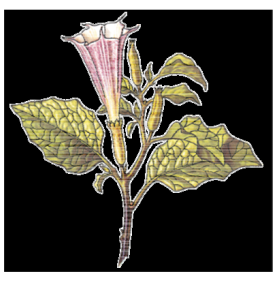
- Hallucinogen
- Depressant
- Stimulant
- Pain-Killer
Show answer
Answer: (1) Hallucinogen
Q65 AIPMT 2014 AIDS
At which stage of HIV infection does one usually show symptoms of AIDS?
- Within 15 days of sexual contact with an infected person
- When the infected retrovirus enters host cells
- When HIV damages a large number of helper T - Plymphocytes.
- When the viral DNA is produced by reverse transcriptase.
Show answer
Answer: (3) When HIV damages a large number of helper T - Plymphocytes.
Why: AIDS symptoms appear only when HIV has destroyed a large number of helper T lymphocytes, which weakens immunity so that opportunistic infections and other complications set in. Entry of the virus into host cells, the early infection stage, and reverse transcription do not by themselves produce AIDS symptoms.
Human Health and Disease NEET PYQ 2013 (4 questions)
Q66 NEET 2013 (Karnataka) Ascariasis & Filariasis
- Muscles of the legs
- Blood vessels of the thigh region
- Skin between the fingers
- Lymphatic vessels of the lower limbs
Show answer
Answer: (4) Lymphatic vessels of the lower limbs
Why: Wuchereria bancrofti, the filarial worm causing elephantiasis, lives in the lymphatic vessels of the human lower limbs and genital regions. This is the normal site of the adult worms, so the lymphatic vessels of the lower limbs is the correct option.
Q67 NEET 2013 (Karnataka) Drugs & Alcohol Abuse
- Caffeine
- Morphine
- Lysergic acid diethylamide
- Opium
Show answer
Answer: (3) Lysergic acid diethylamide
Why: Lysergic acid diethylamide (LSD) is a potent hallucinogen that distorts sensory perception and mood. Caffeine is a stimulant, while morphine and opium are narcotic analgesics derived from the opium poppy, so none of those is a hallucinogen.
Q68 NEET 2013 Ascariasis & Filariasis
Show answer
Answer: option (4)
Q69 NEET 2013 Details of Immunity
- B-lymphocytes
- Thrombocytes
- Erythrocytes
- T-lymphocytes
Show answer
Answer: (4) T-lymphocytes
Why: Cell-mediated immunity is carried out by T-lymphocytes, which directly attack infected or abnormal cells and coordinate immune responses. B-lymphocytes mediate humoral immunity, while thrombocytes and erythrocytes are not immune effector cells.
Human Health and Disease NEET PYQ 2012 (10 questions)
Q70 AIPMT 2012 Mains Drugs & Alcohol Abuse
Identify the molecules (a) and (b) shown below and select the right option giving their source and use.
| (I) | 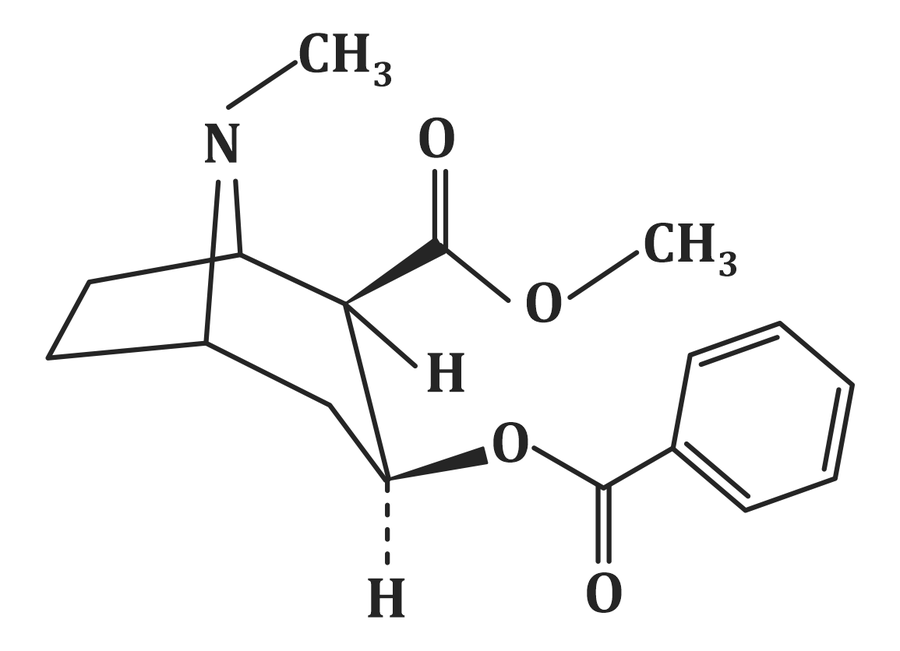 |
| (II) | 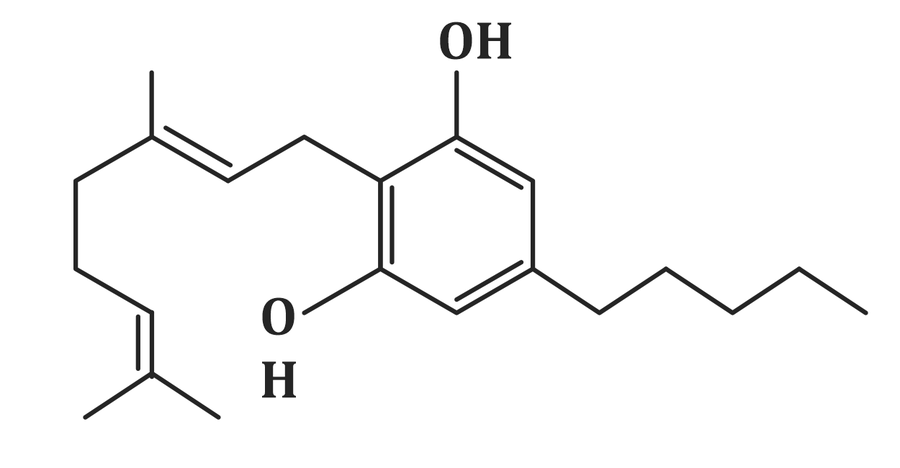 |
(II) Heroin
—Cannabis sativa
—Depressant and slows down body functions
(II) Cannabinoid
—Atropa belladonna
—Produces hallucination
(I) Morphine
—Papaver somniferum
—Sedative and painkiller
(I) Cocaine
—Erythroxylum coca
—Accelerates the transport of dopamine
Show answer
Answer: (3) (I) Morphine Papaver somniferum Sedative and painkiller
Q71 AIPMT 2012 Mains Common Cold & Malaria Introduction
Which one of the following organisms is scientifically correctly named, correctly printed according to the International Rules of Nomenclature, and correctly described?
- Plasmodium falciparum – a protozoan pathogen causing the most serious type of malaria
- Felis tigris – The Indian tiger, well protected in Gir forests.
- E.Coli – Full name Entamoeba coli, a commonly occurring bacterium in the human intestine
- Musca domestica – The common house lizard, a reptile
Show answer
Answer: (1) Plasmodium falciparum – a protozoan pathogen causing the most serious type of malaria
Why: Plasmodium falciparum is the correctly written binomial name, with the genus capitalised and the species in lower case and italicised, and it is a protozoan that causes falciparum malaria, the most serious form of the disease. The other options contain errors: the tiger is Panthera tigris, Escherichia coli is a bacterium and not Entamoeba coli, and Musca domestica is the housefly, not a lizard.
Q72 AIPMT 2012 Mains Active & Passive Immunity
| I. | Colostrum is recommended for the newborn because it is rich in antigen |
| II. | Chikungunya is caused by a Gram-negative bacterium |
| III. | Tissue culture has proved useful in obtaining virus-free plants |
| IV. | Beer is manufactured by distillation of fermented grape juice |
How many of the above statements are wrong?
- Three
- Four
- One
- Two
Show answer
Answer: (1) Three
Why: Colostrum is rich in antibodies such as IgA, not antigens, so statement I is wrong. Chikungunya is caused by a virus, not a Gram-negative bacterium, so statement II is wrong. Tissue culture is indeed used to produce virus-free plants, so statement III is correct. Beer is produced by fermenting malted cereals, not by distilling grape juice, so statement IV is wrong, and the statements that are wrong are I, II and IV.
Q73 AIPMT 2012 Mains Active & Passive Immunity
Which one of the following statements is correct with respect to immunity?
- The antibodies against smallpox pathogens are produced by T-lymphocytes
- Antibodies are protein molecules each of which has four light chains
- Rejection of a kidney graft is the function of B-lymphocytes
- Preformed antibodies need to be injected to treat the bite by a viper snake
Show answer
Answer: (4) Preformed antibodies need to be injected to treat the bite by a viper snake
Why: Preformed antibodies, as in antivenom, must be injected after a viper bite because the body cannot make enough of its own antibodies quickly enough to neutralise the venom. Smallpox antibodies come from B-lymphocytes (through plasma cells), not T-lymphocytes, and graft rejection is a T-cell mediated response. Antibodies are built from heavy and light chains in matched pairs, so the claim of four light chains is incorrect.
Q74 AIPMT 2012 Typhoid Fever
Widal test is carried out to test:
- Malaria
- Diabetes mellitus
- HIV/AIDS
- typhoid fever
Show answer
Answer: (4) typhoid fever
Why: The Widal test detects antibodies against Salmonella typhi in the patient's serum by agglutination, and it is used to diagnose typhoid fever. It does not detect malaria, diabetes or HIV.
Q75 AIPMT 2012 Drugs & Alcohol Abuse
- Opium
- Alcohol
- Tobacco (chewing)
- Cocaine
Show answer
Answer: (2) Alcohol
Why: Cirrhosis of the liver results from long-term excessive consumption of alcohol, which damages liver cells and causes them to be replaced by fibrous scar tissue. Opium, tobacco and cocaine are not the primary chronic causes of this liver condition.
Q76 AIPMT 2012 Treatment & Life Cycle of Malaria
Motile zygote of Plasmodium occurs in:
- Gut of female Anopheles
- Salivary glands of Anopheles
- Human RBCs
- Human liver
Show answer
Answer: (1) Gut of female Anopheles
Why: The motile zygote of Plasmodium, called the ookinete, forms in the gut of the female Anopheles mosquito after fertilisation of the gametes taken up in the blood meal, so the gut of the female Anopheles is correct.
Q77 AIPMT 2012 Pneumonia & Related Questions
Common cold differs from pneumonia in, that:
- Pneumonia is a communicable disease, whereas common cold is a nutritional deficiency disease
- Pneumonia can be prevented by a live attenuated bacterial vaccine, whereas the common cold has no effective vaccine
- Common cold is caused by a virus, while Pneumonia is caused by a bacterium.
- Pneumonia pathogen infects alveoli whereas common cold affects the nose and the respiratory passage but not the lungs
Show answer
Answer: (4) Pneumonia pathogen infects alveoli whereas common cold affects the nose and the respiratory passage but not the lungs
Q78 AIPMT 2012 Cancer
Which one of the following is not a property of cancerous cells, whereas the remaining three are?
- They compete with normal cells for vital nutrients
- They do not remain confined in the area of formation
- They divide in an uncontrolled manner
- They show contact inhibition
Show answer
Answer: (4) They show contact inhibition
Why: Cancer cells divide uncontrollably, leave their original site to invade other tissues, and compete with normal cells for nutrients, but they lose contact inhibition, so they do not stop dividing when they touch neighbouring cells. Normal cells show contact inhibition, which is why it is the one option that is not a property of cancer cells.
Q79 AIPMT 2012 Details of Immunity
In which one of the following options the two examples are correctly matched with their particular type of immunity?
| Examples | Type of immunity |
|
| (a) | Polymorphonuclear leukocytes and monocytes | Cellular barriers |
| (b) | Anti-tetanus and anti-snake bite injection | Active immunity |
| (c) | Saliva in mouth and tears in eyes | Physical barriers |
| (d) | Mucus coating of the epithelium lining the urinogenital tract and HCl in the stomach | Physiological barriers |
2. (b)
3. (c)
4. (d)
Show answer
Answer: option (1)
Human Health and Disease NEET PYQ 2011 (4 questions)
Q80 AIPMT 2011 AIDS
A certain patient, X, is suspected to be suffering from acquired immune deficiency syndrome. Which diagnostic technique will you recommend for its detection?
- MRI
- Ultra Sound
- WIDAL
- ELISA
Show answer
Answer: (4) ELISA
Why: ELISA (Enzyme-Linked Immunosorbent Assay) detects antibodies against the HIV virus in the patient's blood serum, which is the standard screening test for acquired immune deficiency syndrome. MRI and ultrasound are imaging techniques that cannot detect the virus or its antibodies, and WIDAL is a test for typhoid fever.
Q81 AIPMT 2011 Details of Immunity
- Tears
- Monocytes
- Skin
- Epithelium of urogenital tract
Show answer
Answer: (1) Tears
Why: Tears contain the enzyme lysozyme, which kills bacteria on the surface of the eye and so act as a physiological barrier against entry of microorganisms. Monocytes are cellular defence components, while skin and the urogenital epithelium are physical or mechanical barriers rather than physiological ones.
Q82 AIPMT 2011 AIDS
At which stage of HIV infection does one usually shows symptoms of AIDS?
- When viral DNA is produced by reverse transcriptase.
- When HIV replicates rapidly in helper T-lymphocytes and damages a large number of these.
- Within 15 days of sexual contact with an infected person.
- When the infecting retrovirus enters host cells.
Show answer
Answer: (2) When HIV replicates rapidly in helper T-lymphocytes and damages a large number of these.
Why: AIDS symptoms appear when HIV replicates rapidly in helper T-lymphocytes and destroys a large number of them, so the immune system is severely weakened. This matches the option describing rapid replication in helper T-lymphocytes with extensive damage to these cells.
Q83 AIPMT 2011 Treatment & Life Cycle of Malaria
- Red blood corpuscles of humans suffering from malaria
- Spleen of infected humans
- Salivary glands of a freshly moulted female anopheles mosquito
- Saliva of an infected female anopheles mosquito
Show answer
Answer: (4) Saliva of an infected female anopheles mosquito
Human Health and Disease NEET PYQ 2010 (4 questions)
Q84 AIPMT 2010 Typhoid Fever
- malaria
- pneumonia
- tuberculosis
- typhoid
Show answer
Answer: (4) typhoid
Why: The Widal test detects antibodies against Salmonella typhi and is used to diagnose typhoid fever, which is the correct option. Malaria, pneumonia and tuberculosis are diagnosed by other methods such as blood smears, sputum or chest tests.
Q85 AIPMT 2010 Fungal Infection & Concept of Immunity
Ringworm in humans is caused by:
- bacteria
- fungi
- nematodes
- viruses
Show answer
Answer: (2) fungi
Why: Ringworm is a superficial skin infection caused by dermatophytes, which are fungi, and not by bacteria, nematodes or viruses. The fungi colonise the keratinised outer layers of skin, hair and nails.
Q86 AIPMT 2010 AIDS
Which one of the following statements is correct with respect to AIDS?
- HIV can be transmitted through eating food together with an infected person.
- Drug addicts are the least susceptible to HIV infection.
- AIDS patients are being fully cured cent per cent with proper care and nutrition.
- The causative HIV retrovirus enters helper T-lymphocytes thus reducing their numbers.
Show answer
Answer: (4) The causative HIV retrovirus enters helper T-lymphocytes thus reducing their numbers.
Why: HIV is a retrovirus that enters and destroys helper T-lymphocytes, which progressively lowers the immune system's ability to fight infections. HIV is not spread by sharing food, drug addicts are highly susceptible through shared needles, and AIDS is not curable with care and nutrition alone.
Q87 AIPMT 2010 Drugs & Alcohol Abuse
Select the correct statement from the ones given below:
- Barbiturates when given to criminals make them tell the truth
- Morphine is often given to persons who have undergone
surgery as a painkiller - Chewing tobacco lowers blood pressure and heart rate
- Cocaine is given to patients after surgery as it stimulates
recovery
Show answer
Answer: (2) Morphine is often given to persons who have undergone
surgery as a painkiller
Why: Morphine is a narcotic analgesic that relieves severe pain and is therefore commonly given to patients after surgery as a painkiller. Barbiturates do not make criminals tell the truth, chewing tobacco raises rather than lowers blood pressure and heart rate, and cocaine is a stimulant that is not used for post-surgical recovery.
Human Health and Disease NEET PYQ 2009 (5 questions)
Q88 AIPMT 2009 Common Cold & Malaria Introduction
- Ringworm, AIDS
- Common cold, AIDS
- Dysentery, common cold
- Typhoid, tuberculosis
Show answer
Answer: (2) Common cold, AIDS
Why: The common cold and AIDS are both caused by viruses, which is why this is the pair of viral diseases. Ringworm is a fungal infection, dysentery is typically bacterial or protozoan, and typhoid and tuberculosis are bacterial.
Q89 AIPMT 2009 Allergies & Autoimmunity
Use of anti-histamine and steroids give a quick relief from:
- allergy
- nausea
- cough
- headache
Show answer
Answer: (1) allergy
Why: Antihistamines and steroids act on the immune and inflammatory responses, blocking histamine action and reducing swelling, so they give quick relief from allergy. This is option (1).
Q90 AIPMT 2009 Details of Immunity
- dead germs
- preformed antibodies
- wide spectrum antibiotics
- weakened germs
Show answer
Answer: (2) preformed antibodies
Why: Tetanus toxin acts too quickly for the body to mount its own response, so the person is given preformed antibodies (antitoxin), which provide immediate passive immunity.
Q91 AIPMT 2009 Cancer
Which one of the following statements is correct?
- Patients, who have undergone surgery are given
cannabinoids to relieve pain - Benign tumours show the property of metastasis
- Heroin accelerates body functions
- Malignant tumours may exhibit metastasis
Show answer
Answer: (4) Malignant tumours may exhibit metastasis
Why: Malignant tumours are cancerous and can spread from their original site to other parts of the body through the blood or lymph, which is called metastasis. Benign tumours do not metastasise, cannabinoids are not generally used for post-surgical pain relief, and heroin depresses rather than accelerates body functions.
Q92 AIPMT 2009 Human Immune System
- thyroid
- thalamus
- tonsil
- thymus
Show answer
Answer: (4) thymus
Why: The T in T-lymphocyte stands for thymus, the primary lymphoid organ where these lymphocytes mature and gain immunological competence. B-lymphocytes, by contrast, are named after the bone marrow where they develop, while thyroid, thalamus and tonsil are unrelated to this naming.
Human Health and Disease NEET PYQ 2008 (4 questions)
Q93 AIPMT 2008 Introduction
| Column I | Column II | ||
| A. | Amoebiasis | 1. | Treponema pallidum |
| B. | Diphtheria | 2. | Use only sterilized food and water |
| C. | Cholera | 3. | DPT vaccine |
| D. | Syphilis | 4. | Use oral rehydration therapy |
- A-1 B-2 C-3 D-4
- A-2 B-4 C-1 D-3
- A-2 B-1 C-3 D-4
- A-2 B-3 C-4 D-1
Show answer
Answer: (4) A-2 B-3 C-4 D-1
Why: Amoebiasis is prevented by using only sterilized food and water, diphtheria is prevented by the DPT vaccine, cholera is treated with oral rehydration therapy, and syphilis is caused by the bacterium Treponema pallidum. These pairings match the option in which A is linked to 2, B to 3, C to 4 and D to 1.
Q94 AIPMT 2008 Drugs & Alcohol Abuse
Which one of the following is the correct statement regarding the particular psychotropic drug specified?
- Hashish causes alter thought perceptions and hallucinations.
- Opium stimulates the nervous system and causes hallucinations.
- Morphine leads to delusions and disturbed emotions.
- Barbiturates cause relaxation and temporary euphoria.
Show answer
Answer: (1) Hashish causes alter thought perceptions and hallucinations.
Why: Hashish, derived from the cannabis plant, alters thought processes and sensory perception and can cause hallucinations. Opium and morphine depress rather than stimulate the nervous system, and barbiturates are sedatives rather than euphoriants.
Q95 AIPMT 2008 Details of Immunity
- Cytokine barriers
- Cellular barriers
- Physiological barriers
- Physical barriers
Show answer
Answer: (3) Physiological barriers
Why: Saliva in the mouth and tears from the eyes are secretions that act as physiological barriers, since they contain enzymes such as lysozyme that destroy microbes. They are not physical structures like skin or mucous membranes, nor cellular or cytokine barriers.
Q96 AIPMT 2008 Active & Passive Immunity
- its cells are least penetrable by bacteria
- it has no blood supply
- it is composed of enucleated cells
- it is a non-living layer
Show answer
Answer: (2) it has no blood supply
Why: The cornea has no blood supply, so immune cells and antibodies cannot reach it to trigger a rejection response. This avascular nature is why corneal transplants are rarely rejected.
Human Health and Disease NEET PYQ 2007 (1 question)
Q97 AIPMT 2007 Details of Immunity
Lysozyme that is present in perspiration, saliva, and tears destroys:
- certain fungi
- certain types of bacteria
- all viruses
- most virus-infected cells
Show answer
Answer: (2) certain types of bacteria
Why: Lysozyme is an enzyme that hydrolyses the peptidoglycan cell walls of certain bacteria, especially Gram-positive types, causing them to lyse. It is a non-specific defence against bacteria rather than against viruses, fungi or infected cells.
Human Health and Disease NEET PYQ 2006 (3 questions)
Q98 AIPMT 2006 Details of Immunity
- lipoproteins
- steroids
- prostaglandins
- glycoproteins
Show answer
Answer: (4) glycoproteins
Why: Antibodies are immunoglobulins, which are glycoproteins made of polypeptide chains with covalently attached carbohydrate groups. This makes glycoproteins the correct description of their chemical nature.
Q99 AIPMT 2006 Drugs & Alcohol Abuse
- schizophrenia
- borderline personality disorder (BPD)
- mood disorders
- addictive disorders
Show answer
Answer: (2) borderline personality disorder (BPD)
Why: Borderline personality disorder is characterised by unstable, unpredictable moods, intense emotional outbursts, and frequent interpersonal conflicts, which matches the described behaviour. Schizophrenia involves hallucinations and delusions, mood disorders center on persistent depression or mania, and addictive disorders involve compulsive substance use, so none of those fit as well.
Q100 AIPMT 2006 AIDS
- B-lymphocytes
- leucocytes
- thrombocytes
- helper T-lymphocytes
Show answer
Answer: (4) helper T-lymphocytes
Why: HIV first infects and destroys helper T-lymphocytes, which carry the CD4 receptor that the virus uses for entry, and their progressive loss leads to immune deficiency and AIDS. This is the option naming helper T-lymphocytes.
Frequently asked questions
How many Human Health and Disease questions have been asked in NEET?
This archive holds 100 Human Health and Disease questions from 33 of 33 official NEET and AIPMT papers, 2006–2026. It counts every paper held here, including re-exam and regional papers.
Which topics of Human Health and Disease are asked most often?
By topic tag: Details of Immunity (21), Drugs & Alcohol Abuse (16), Active & Passive Immunity (11), AIDS (11) and Human Immune System (8).
When was Human Health and Disease last asked?
The most recent paper in this archive with a question from this chapter is Re-NEET 2026.
Where do the answers come from?
Each answer is the option recorded as correct in the official answer key for that paper. Where a short explanation is shown, it was written separately and checked against the key; it is not part of the official paper. Questions marked NEET 2026 (3 May, cancelled) are from the cancelled first sitting: NTA issued no final key for it, so their answers are the key on record and have not been matched to an official key.
More Biology chapter-wise PYQs
← Evolution Biotechnology: Principles and Processes →
Botany, Class 11
- The Living World (25)
- Biological Classification (90)
- Plant Kingdom (88)
- Morphology of Flowering Plants (120)
- Anatomy of Flowering Plants (83)
- Cell: The Unit of Life (125)
- Cell Cycle and Cell Division (84)
- Photosynthesis in Higher Plants (69)
- Respiration in Plants (42)
- Plant Growth and Development (71)
Old syllabus (archive)
- Transport in Plants (39)
- Mineral Nutrition (49)
- Reproduction in Organisms (22)
- Environmental Issues (80)
- Digestion and Absorption (45)
Botany, Class 12
- Sexual Reproduction in Flowering Plants (118)
- Principles of Inheritance and Variation (155)
- Molecular Basis of Inheritance (172)
- Strategies for Enhancement in Food Production (36)
- Microbes in Human Welfare (66)
- Organisms and Populations (86)
- Ecosystem (87)
- Biodiversity and Conservation (86)
Zoology, Class 11
- Animal Kingdom (109)
- Structural Organisation in Animals (90)
- Biomolecules (100)
- Breathing and Exchange of Gases (56)
- Body Fluids and Circulation (68)
- Excretory Products and their Elimination (54)
- Locomotion and Movement (58)
- Neural Control and Coordination (53)
- Chemical Coordination and Integration (76)
Zoology, Class 12
- Human Reproduction (109)
- Reproductive Health (67)
- Evolution (101)
- Biotechnology: Principles and Processes (118)
- Biotechnology and its Applications (101)
Want more than past papers? Practise all 2,287 Human Health and Disease questions on NEETprep.