Biomolecules has 100 questions in this archive of official NEET and AIPMT papers, asked between 2006 and 2026. It appeared in 31 of the 33 papers held here (AIPMT 2006 to Re-NEET 2026); the most recent paper with a question from it is Re-NEET 2026. The most-asked topics by tag are Proteins (14), Enzyme Cofactors (12) and Lipids (10). In the last 10 main papers (2017 to 2026) it had 34 questions.
Biomolecules practice hub Take the chapter test
Biomolecules PYQs year by year
| Year | Papers in archive | Questions | By paper |
|---|---|---|---|
| 2026 | 2 | 7 | NEET 2026: 5, Re-NEET 2026: 2 |
| 2025 | 1 | 4 | NEET 2025: 4 |
| 2024 | 3 | 20 | NEET 2024: 6, NEET 2024 Re-exam (1,563 candidates): 6, NEET 2024 (Jhajjar): 8 |
| 2023 | 2 | 8 | NEET 2023: 4, NEET 2023 (Manipur): 4 |
| 2022 | 3 | 12 | NEET 2022: 4, NEET 2022 (Abroad): 3, NEET 2022 (Ganganagar): 5 |
| 2021 | 1 | 4 | NEET 2021: 4 |
| 2020 | 2 | 6 | NEET 2020: 4, NEET 2020 (Covid Re-exam): 2 |
| 2019 | 2 | 6 | NEET 2019: 3, NEET 2019 (Odisha): 3 |
| 2018 | 1 | 1 | NEET 2018: 1 |
| 2017 | 1 | 2 | NEET 2017: 2 |
| 2016 | 2 | 5 | NEET 2016 Phase 1: 2, NEET 2016 Phase 2: 3 |
| 2015 | 2 | 3 | AIPMT 2015: 1, AIPMT 2015 Re-exam: 2 |
| 2014 | 1 | 2 | AIPMT 2014: 2 |
| 2013 | 2 | 7 | NEET 2013: 4, NEET 2013 (Karnataka): 3 |
| 2012 | 2 | 5 | AIPMT 2012: 3, AIPMT 2012 Mains: 2 |
| 2011 | 1 | 2 | AIPMT 2011: 2 |
| 2010 | 1 | 0 | — |
| 2009 | 1 | 0 | — |
| 2008 | 1 | 3 | AIPMT 2008: 3 |
| 2007 | 1 | 2 | AIPMT 2007: 2 |
| 2006 | 1 | 1 | AIPMT 2006: 1 |
Most-asked topics (top 15 of 29)
| Topic | PYQs |
|---|---|
| Proteins | 14 |
| Enzyme Cofactors | 12 |
| Lipids | 10 |
| Carbohydrates: Cellulose, Chitin, Inulin & Agar | 9 |
| Primary & Secondary Metabolites | 8 |
| Amino Acids | 7 |
| Carbohydrates | 5 |
| Introduction | 5 |
| Enzymes | 5 |
| Enzyme Inhibition | 5 |
| Enzymes Classification | 4 |
| Nucleic Acid | 4 |
| Element Analysis | 4 |
| Factors Affecting Enzyme Catalysis Reaction | 4 |
| Mechanism of Enzymes | 4 |
2 of the 100 questions carry no topic tag and are not counted in this table.
Biomolecules NEET PYQ 2026 (7 questions)
Q1 Re-NEET 2026 Proteins
| List-I | List-II | ||
| A. | Starch | I. | Energy storage |
| B. | Antibody | II. | Fights infection |
| C. | Concanavalin | III. | Lectin |
| D. | Glut-4 | IV. | Glucose transport |
- A-I, B-II, C-III, D-IV
- A-I, B-II, C-IV, D-III
- A-II, B-I, C-IV, D-III
- A-I, B-I, C-III, D-IV
Show answer
Answer not shown. The answer on record for this question does not agree with the official final answer key, so no answer is shown here. Check the official key linked on the paper page.
Q2 Re-NEET 2026 Introduction
(a) Oxygen
(b) Carbon
(c) Hydrogen
(d) Nitrogen
Choose the correct answer from the option given below :
- (b), (a), (c), (d)
- (a), (b), (c), (d)
- (c), (a), (b), (d)
- (b), (c), (d), (a)
Show answer
Answer: (2) (a), (b), (c), (d)
Why: By mass, oxygen is the most abundant of these elements in the human body, followed by carbon, then hydrogen, and nitrogen is the least abundant of the four. This gives the order oxygen, carbon, hydrogen, nitrogen.
Q3 NEET 2026 (3 May, cancelled)
| A. | Lipids are generally water-soluble. |
| B. | Proteins are polypeptides |
| C. | Polysaccharides are long chains of sugars. |
| D. | Adenine and guanine are substituted pyrimidines. |
| E. | Almost all enzymes are proteins. |
- C, D and E only
- B, C and E only
- B, D and E only
- A, B and C only
Show answer
Answer: (2) B, C and E only
Why: Proteins are polypeptide chains, polysaccharides are long chains of sugar units, and almost all enzymes are proteins. Lipids are generally insoluble in water, and adenine and guanine are substituted purines rather than pyrimidines.
Q4 NEET 2026 (3 May, cancelled) Structural Organisation of Proteins
- Quaternary structure
- Tertiary structure
- Primary structure
- Secondary structure
Show answer
Answer: (4) Secondary structure
Why: The alpha helix is a secondary structure of proteins, in which the polypeptide backbone coils into a regular helix stabilised by hydrogen bonds between backbone atoms within the same chain. It is distinct from the primary sequence, the overall three-dimensional folding of tertiary structure, and the association of multiple chains in quaternary structure.
Q5 NEET 2026 (3 May, cancelled) Amino Acids
| A. | They are substituted methanes. |
| B. | Serine is an aromatic amino acid |
| C. | Valine is a neutral amino acid. |
| D. | Lysine is an acidic amino acid. |
- C and D only
- A and B only
- A and C only
- B and C only
Show answer
Answer: (3) A and C only
Why: Amino acids can be regarded as substituted methanes, with the central carbon carrying an amino group, a carboxyl group, a hydrogen and a side chain, and valine is a neutral amino acid because its side chain is nonpolar and uncharged. Serine is not aromatic since its side chain is a simple hydroxymethyl group, and lysine is basic rather than acidic because it carries an extra amino group.
Q6 NEET 2026 (3 May, cancelled) Proteins
| List-I | List-II | ||
| A. | Trypsin | I. | Intercellular ground substance |
| B | Morphine | II. | Lectin |
| C | Concanavalin | III. | Enzyme |
| D | Collagen | IV. | Alkaloid |
Choose the correct answer from the options given below:
- A-III, B-IV, C-II, D-I
- A-I, B-II, C-III, D-IV
- A-III, B-II, C-IV, D-I
- A-IV, B-III, C-II, D-I
Show answer
Answer: (1) A-III, B-IV, C-II, D-I
Why: Trypsin is a digestive enzyme (III), morphine is an alkaloid (IV), concanavalin is a lectin, a carbohydrate-binding protein (II), and collagen is the major fibrous protein of the intercellular ground substance (I). So the matching is A-III, B-IV, C-II, D-I.
Q7 NEET 2026 (3 May, cancelled) Enzymes Classification
X Y
| |
C - C E X- Y + C = C
(Substrate) (Product) (Product)
Identify the enzyme class 'E' from the following options :
- Ligases
- Lyases
- Isomerases
- Transferases
Show answer
Answer: (2) Lyases
Why: The enzyme removes the groups X and Y from adjacent carbon atoms and creates a new C=C double bond, a non-hydrolytic elimination reaction. Enzymes that break C-C, C-O or C-N bonds this way without using water are lyases.
Biomolecules NEET PYQ 2025 (4 questions)
Q8 NEET 2025 Enzyme Cofactors
- Apoenzyme
- Prosthetic group
- Cofactor
- Coenzyme
Show answer
Answer: (1) Apoenzyme
Why: The protein part of an enzyme, which gives it specificity and structure, is called the apoenzyme. It becomes catalytically active only when combined with its non-protein helper, the cofactor (or coenzyme or prosthetic group).
Q9 NEET 2025 Nucleic Acid
| List-I | List-II | ||
| A. | Adenosine | I. | Nitrogen base |
| B. | Adenylic acid | II. | Nucleotide |
| C. | Adenine | III. | Nucleoside |
| D. | Alanine | IV. | Amino acid |
- A-III, B-II, C-I, D-IV
- A-II, B-III, C-I, D-IV
- A-III, B-IV, C-II, D-I
- A-III, B-II, C-IV, D-I
Show answer
Answer: (1) A-III, B-II, C-I, D-IV
Q10 NEET 2025 Enzyme Cofactors
- Succinate dehydrogenase
- Catalase
- RuBisCo
- Carbonic anhydrase
Show answer
Answer: (2) Catalase
Why: Catalase is a haem-containing enzyme that breaks down hydrogen peroxide into water and oxygen. Succinate dehydrogenase uses FAD as its prosthetic group, RuBisCo does not use haem, and carbonic anhydrase contains zinc. The option naming catalase is correct.
Q11 NEET 2025 Enzymes Classification
Where, G → a group other than hydrogen
S → a substrate
→ another substate
- Transferase
- Ligase
- Hydrolase
- Lyase
Show answer
Answer: (1) Transferase
Biomolecules NEET PYQ 2024 (20 questions)
Q12 NEET 2024 (Jhajjar) Enzymes
- They are highly substrate specific
- In thermophilic organisms, enzymes can catalyze reaction at high temperatures, i.e. 90°C
- All enzymes are proteinaceous in nature
- Some enzymes have metal ions
Show answer
Answer: (3) All enzymes are proteinaceous in nature
Why: The statement that all enzymes are proteinaceous is incorrect because some enzymes are catalytic RNA molecules, known as ribozymes. The other statements are accurate: enzymes are generally highly substrate specific, some thermophilic organisms have enzymes that function at very high temperatures, and some enzymes require metal ions as cofactors.
Q13 NEET 2024 (Jhajjar) Element Analysis
- Fatty acid
- Monosaccharide
- Amino acid
- Nucleic acid
Show answer
Answer: (3) Amino acid
Why: An amino acid contains both a basic amino group and an acidic carboxyl group, so in solution at its isoelectric pH it exists as a zwitter ion carrying both a positive and a negative charge with zero net charge. Fatty acids, monosaccharides and nucleic acids do not normally form zwitter ions.
Q14 NEET 2024 (Jhajjar) Carbohydrates: Cellulose, Chitin, Inulin & Agar
- Inulin
- Chitin
- Glucosamine
- N-acetyl galactosamine
Show answer
Answer: (1) Inulin
Q15 NEET 2024 (Jhajjar) Primary & Secondary Metabolites
| List-I | List-II | ||
| A. | Toxin | I. | Gum |
| B. | Polymeric substance | II. | Concanavalin A |
| C. | Lectin | III. | Ricin |
| D. | Drug | IV. | Vinblastin |
- A-III, B-IV, C-II, D-I
- A-II, B-IV, C-I, D-III
- A-III, B-I, C-II, D-IV
- A-II, B-I, C-IV, D-III
Show answer
Answer: (3) A-III, B-I, C-II, D-IV
Why: Ricin is a toxin obtained from castor seeds, a gum is a polymeric substance, Concanavalin A is a lectin, and Vinblastin is a drug, which matches the option A-III, B-I, C-II, D-IV. This pairs each toxin, polymer, lectin and drug with its correct example.
Q16 NEET 2024 (Jhajjar) Factors Affecting Enzyme Catalysis Reaction
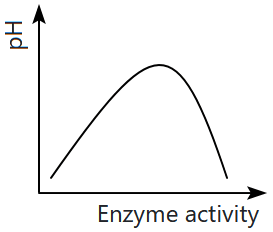
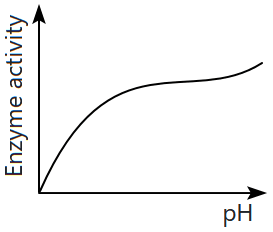
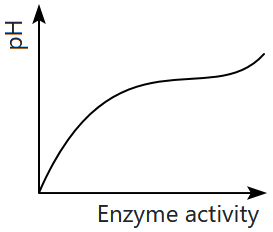
Show answer
Answer: (1) 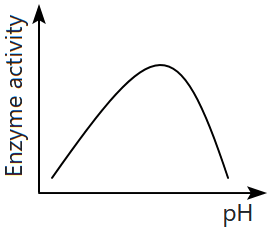
Q17 NEET 2024 (Jhajjar) Proteins
| List-I | List-II | ||
| A. | Collagen | I. | Enzyme |
| B. | GLUT-4 | II. | Most abundant enzyme in biosphere |
| C. | Trypsin | III. | Most abundant protein in animal world |
| D. | RuBisCO | IV. | Enables glucose transport into cells |
- A-III, B-I, C-IV, D-II
- A-II, B-III, C-I, D-IV
- A-III, B-IV, C-I, D-II
- A-I, B-III, C-IV, D-II
Show answer
Answer: (3) A-III, B-IV, C-I, D-II
Why: Collagen is the most abundant protein in the animal world, and GLUT-4 is the transporter that enables glucose uptake into cells. Trypsin is a digestive enzyme, and RuBisCO is the most abundant enzyme in the biosphere, which gives the pairing A with III, B with IV, C with I and D with II.
Q18 NEET 2024 (Jhajjar) Proteins
| List-I | List-II | ||
| A. | Ribozyme | I. | Glucose transport |
| B. | Lecithin | II. | Non-proteinaceous enzyme |
| C. | Glut-4 | III. | Lipid |
| D. | Vitamins | IV. | Coenzyme |
- A-IV, B-III, C-I, D-II
- A-IV, B-III, C-II, D-I
- A-II, B-I, C-III, D-IV
- A-II, B-III, C-I, D-IV
Show answer
Answer: (4) A-II, B-III, C-I, D-IV
Why: Ribozyme is an RNA molecule that acts as a catalyst, so it is a non-proteinaceous enzyme. Lecithin is a phospholipid, GLUT-4 is the transporter that mediates glucose transport into cells, and vitamins such as those in the B group function as coenzymes or their precursors.
Q19 NEET 2024 (Jhajjar) Enzyme Catalysis
| A. | Enzyme releases products of the reaction and gets free. |
| B. | Substrate induces the enzyme to alter its shape. |
| C. | The substrate binds with the active site of the enzyme. |
| D. | Enzymes-product complex is formed. |
2.
3.
4.
Show answer
Answer: option (2)
Q20 NEET 2024 Re-exam (1,563 candidates) Element Analysis
- Uridine
- Adenylic acid
- Guanine
- Guanosine
Show answer
Answer: (2) Adenylic acid
Why: Adenylic acid is adenosine monophosphate, which contains a nitrogenous base (adenine), a pentose sugar and a phosphate group, so it is a nucleotide. Uridine and guanosine are nucleosides because they lack the phosphate group, and guanine is only a nitrogenous base.
Q21 NEET 2024 Re-exam (1,563 candidates) Enzymes Classification
- C-C
- P-O
- C-O
- C-N
Show answer
Answer: (1) C-C
Q22 NEET 2024 Re-exam (1,563 candidates) Element Analysis
| A. | Glutamic acid | B. | Arachidonic acid |
| C. | Palmitic acid | D. | Lecithin |
| E. | Aspartic acid | ||
- C, D and E only
- A and B only
- A, D and E only
- B and C only
Show answer
Answer: (3) A, D and E only
Why: Glutamic acid and aspartic acid are amino acids, and lecithin is a phospholipid, so none of these three is a fatty acid. Arachidonic acid and palmitic acid are both fatty acids, which is why they are excluded.
Q23 NEET 2024 Re-exam (1,563 candidates) Factors Affecting Enzyme Catalysis Reaction
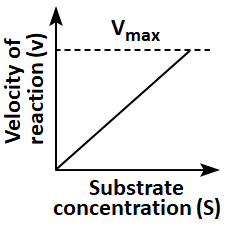
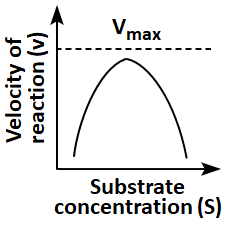
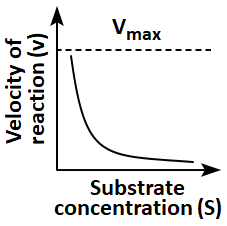
Show answer
Answer: (1) 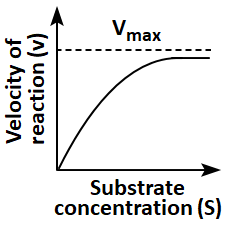
Q24 NEET 2024 Re-exam (1,563 candidates) Enzymes Classification
- Transferases
- Oxidoreductases
- Dehydrogenases
- Lyases
Show answer
Answer: (4) Lyases
Why: Lyases are enzymes that remove a group from a substrate by a mechanism other than hydrolysis or oxidation, typically leaving a double bond in the product. Transferases move groups between molecules, oxidoreductases catalyse oxidation-reduction reactions, and dehydrogenases are a type of oxidoreductase, so the correct answer is Lyases.
Q25 NEET 2024 Re-exam (1,563 candidates) Structural Organisation of Proteins
| List-I | List-II | ||
| A. | Primary structure of protein | I. | Human haemoglobin |
| B. | Secondary structure of protein | II. | Disulphide bonds |
| C. | Tertiary structure of protein | III. | Polypeptide chain |
| D. | Quaternary structure of protein | IV. | Alpha helix and β sheet |
- A-III,B-IV,C-II,D-I
- A-III,B-II,C-I,D-IV
- A-I,B-III,C-II,D-IV
- A-IV,B-III,C-II,D-I
Show answer
Answer: (1) A-III,B-IV,C-II,D-I
Why: The primary structure is the linear sequence of the polypeptide chain, and the secondary structure consists of alpha helices and beta sheets. The tertiary structure is stabilised by disulphide bonds among other interactions, and the quaternary structure is seen in multi-subunit proteins such as human haemoglobin. The correct option matches these pairs in this order.
Q26 NEET 2024 Lipids
- Phospholipids
- Glycerides
- Carbohydrates
- Amino acids
Show answer
Answer: (1) Phospholipids
Why: Lecithin is a phosphoglyceride, a glycerol backbone esterified with fatty acids and a phosphate-containing head group, which places it among the phospholipids in option (1). It is a lipid, not a carbohydrate, amino acid, or simple glyceride.
Q27 NEET 2024 Enzyme Inhibition
- Feedback inhibition
- Competitive inhibition
- Enzyme activation
- Cofactor inhibition
Show answer
Answer: (2) Competitive inhibition
Why: Malonate closely resembles succinate, the natural substrate, so it binds to the active site of succinic dehydrogenase and blocks substrate entry without changing the enzyme's structure. This makes it a competitive inhibition, as stated in option (2) Competitive inhibition.
Q28 NEET 2024 Enzyme Cofactors
- Niacin
- Flavin
- Haem
- Zinc
Show answer
Answer: (4) Zinc
Why: The enzyme carboxypeptidase requires zinc as its metal cofactor, which is held at the active site and is needed for its catalytic activity, so the option naming zinc is correct.
Q29 NEET 2024 Proteins
| List-I | List-II | ||
| A. | GLUT-4 | I. | Hormone |
| B. | Insulin | II. | Enzyme |
| C. | Trypsin | III. | Intercellular ground substance |
| D. | Collagen | IV. | Enables glucose transport into cells |
Choose the correct answer from the options given below:
- A-I, B-II, C-III, D-IV
- A-II, B-III, C-IV, D-I
- A-III, B-IV, C-I, D-II
- A-IV, B-I, C-II, D-III
Show answer
Answer: (4) A-IV, B-I, C-II, D-III
Why: GLUT-4 is a glucose transporter protein that enables glucose to enter cells, and insulin is a hormone that regulates this process. Trypsin is a digestive enzyme, while collagen is a structural protein found in the intercellular ground substance of connective tissue.
Q30 NEET 2024 Enzymes
| List-I | List-II | ||
| 1. | Lipase | I. | Peptide bond |
| 2. | Nuclease | II. | Ester bond |
| 3. | Protease | III. | Glycosidic bond |
| 4. | Amylase | IV. | Phosphodiester bond |
- A-III, B-II, C-I,D-IV
- A-II, B-IV, C-I,D-III
- A-IV, B-I, C-III, D-II
- A-IV, B-II, C-III, D-I
Show answer
Answer: (2) A-II, B-IV, C-I,D-III
Why: Lipase hydrolyses ester bonds in fats, nuclease cleaves phosphodiester bonds in nucleic acids, protease breaks peptide bonds in proteins, and amylase cleaves glycosidic bonds in starch.
Q31 NEET 2024 Enzyme Catalysis
| A. | Substrate enzyme complex formation. |
| B. | Free enzyme ready to bind with another substrate. |
| C. | Release of products. |
| D. | Chemical bonds of the substrate broken. |
| E. | Substrate binding to active site. |
- A, E, B, D, C
- B, A, C, D, E
- E, D, C, B, A
- E, A, D, C, B
Show answer
Answer: (4) E, A, D, C, B
Why: The cycle begins with the substrate binding to the active site, followed by formation of the substrate-enzyme complex. The chemical bonds of the substrate are then broken, the products are released, and the free enzyme is ready to bind another substrate.
Biomolecules NEET PYQ 2023 (8 questions)
Q32 NEET 2023 (Manipur) Nucleic Acid
| List-I | List-II | ||
| (A) | Protein | (I) | C=C double bonds |
| (B) | Unsaturated fatty acid | (II) | Phosphodiester bond |
| (C) | Nucleic acid | (III) | Glycosidic bonds |
| (D) | Polysaccharide | (IV) | Peptide bonds |
- A-II, B-I, C-IV, D-III
- A-IV, B-III, C-I, D-II
- A-IV, B-I, C-II, D-III
- A-I, B-IV, C-III, D-II
Show answer
Answer: (3) A-IV, B-I, C-II, D-III
Why: Proteins are chains of amino acids joined by peptide bonds (A to IV), and unsaturated fatty acids contain C=C double bonds (B to I). Nucleic acids are linked by phosphodiester bonds (C to II), and polysaccharides are built from monosaccharides joined by glycosidic bonds (D to III).
Q33 NEET 2023 (Manipur) Carbohydrates: Cellulose, Chitin, Inulin & Agar
- Fructose
- Galactose
- Amino Acids
- Glucose
Show answer
Answer: (1) Fructose
Why: Inulin is a storage polysaccharide found in plants such as dahlia and chicory, and it is built from repeating units of fructose. Glucose, galactose and amino acids are not its building blocks, so fructose is the correct option.
Q34 NEET 2023 (Manipur) Primary & Secondary Metabolites
- Curcumin
- Morphine
- Anthocyanin
- Lecithin
Show answer
Answer: (4) Lecithin
Why: Lecithin is a phospholipid that is an essential component of cell membranes and is classed as a primary metabolite, whereas curcumin, morphine and anthocyanin are plant products that are not required for basic growth and are therefore classed as secondary metabolites.
Q35 NEET 2023 (Manipur) Primary & Secondary Metabolites
| List-I | List-II | ||
| (A) | Terpenoids | (I) | Vinblastin |
| (B) | Lectins | (II) | Diterpenes |
| (C) | Drug | (III) | Ricin |
| (D) | Toxin | (IV) | Concanavalin A |
- A-II, B-IV, C-III, D-I
- A-II, B-I, C-IV, D-III
- A-II, B-III, C-I, D-IV
- A-II, B-IV, C-I, D-III
Show answer
Answer: (4) A-II, B-IV, C-I, D-III
Why: Terpenoids are a class of compounds that include diterpenes, Concanavalin A is a lectin, vinblastine is an anticancer drug obtained from the Madagascar periwinkle, and ricin is a toxic protein from the castor bean. Matching these gives terpenoids with diterpenes, lectins with Concanavalin A, drugs with vinblastine and toxins with ricin.
Q36 NEET 2023 Carbohydrates: Cellulose, Chitin, Inulin & Agar
- It breaks down when iodine reacts with it.
- It is a disaccharide.
- It is a helical molecule.
- It does not contain complex helices and hence cannot hold iodine molecules.
Show answer
Answer: (4) It does not contain complex helices and hence cannot hold iodine molecules.
Why: Iodine gives a blue colour with starch because amylose forms a coiled helix that can hold iodine molecules inside it. Cellulose consists of straight, unbranched chains joined by beta linkages, which do not form such helices, so iodine cannot be trapped and no blue colour appears. The option stating that cellulose lacks complex helices is therefore correct.
Q37 NEET 2023 Enzyme Inhibition
- Dinitrogenase
- Succinic dehydrogenase
- Amylase
- Lipase
Show answer
Answer: (2) Succinic dehydrogenase
Why: Malonate is a competitive inhibitor of succinic dehydrogenase, the enzyme that converts succinate to fumarate in the Krebs cycle. By blocking this enzyme, malonate disrupts the energy metabolism of pathogenic bacteria and inhibits their growth.
Q38 NEET 2023 Factors Affecting Enzyme Catalysis Reaction
| Statement I: | Low temperature preserves the enzyme in a temporarily inactive state whereas high temperature destroys enzymatic activity because proteins are denatured by heat. |
| Statement II: | When the inhibitor closely resembles the substrate in its molecular structure and inhibits the activity of the enzyme, it is known as competitive inhibitor. |
- Statement I is false but Statement II is true.
- Both Statement I and Statement II are true.
- Both Statement I and Statement II are false.
- Statement I is true but Statement II is false.
Show answer
Answer: (2) Both Statement I and Statement II are true.
Why: Low temperature slows enzyme activity and keeps the enzyme in a temporarily inactive state, while high temperature denatures the protein and destroys its activity. A competitive inhibitor closely resembles the substrate in structure and competes with it for the active site, so both statements are true.
Q39 NEET 2023 Amino Acids
| Statement I: | A protein is imagined as a line, the left end represented by first amino acid (C-terminal) and the right end represented by last amino acid (N-terminal). |
| Statement II: | Adult human haemoglobin, consists of 4 subunits (two subunits of type and two subunits of ẞ type.) |
- Statement I is false but Statement II is true.
- Both Statement I and Statement II are true.
- Both Statement I and Statement II are false.
- Statement I is true but Statement II is false.
Show answer
Answer: (1) Statement I is false but Statement II is true.
Why: Statement I is false because in a protein chain the N-terminal end carries the first amino acid and the C-terminal end carries the last, which is the reverse of what the statement says. Statement II is true because adult human haemoglobin is a tetramer made of two alpha-type and two beta-type globin subunits.
Biomolecules NEET PYQ 2022 (12 questions)
Q40 NEET 2022 (Ganganagar) Nucleic Acid
| List-I | List-II | ||
| (A) | Adenine | (I) | Pigment |
| (B) | Anthocyanin | (II) | Polysaccharide |
| (C) | Chitin | (III) | Alkaloid |
| (D) | Codeine | (IV) | Purine |
- A-(IV), B-(I), C-(II), D-(III)
- A-(IV), B-(III), C-(II), D-(I)
- A-(III), B-(I), C-(IV), D-(II)
- A-(I), B-(IV), C-(III), D-(II)
Show answer
Answer: (1) A-(IV), B-(I), C-(II), D-(III)
Why: Adenine is a purine base, anthocyanin is a plant pigment, chitin is a polysaccharide found in fungal cell walls and arthropod exoskeletons, and codeine is an alkaloid obtained from the opium poppy. The matching that pairs adenine with purine, anthocyanin with pigment, chitin with polysaccharide and codeine with alkaloid is the correct one.
Q41 NEET 2022 (Ganganagar) Proteins
- they are linear chains.
- they are polymers of peptide monomers.
- successive amino acids are joined by peptide bonds.
- they can assume many conformations.
Show answer
Answer: (3) successive amino acids are joined by peptide bonds.
Why: Proteins are called polypeptides because their successive amino acids are linked by peptide bonds, which form the backbone of the chain. The other options describe shape or general polymer features, but the peptide bond linking successive amino acids is the basis of the name.
Q42 NEET 2022 (Ganganagar) Amino Acids
| Statement I: | Amino acids have a property of ionizable nature of –NH2 and –COOH groups, hence have different structures at different pH. |
| Statement II: | Amino acids can exist as Zwitterionic form at acidic and basic pH. |
- Both Statement I and Statement II are correct.
- Both Statement I and Statement II are incorrect.
- Statement I is correct but Statement II is incorrect.
- Statement I is incorrect but Statement II is correct.
Show answer
Answer: (1) Both Statement I and Statement II are correct.
Q43 NEET 2022 (Ganganagar) Enzyme Cofactors
the prosthetic group is:
- Nicotinamide adenine dinucleotide
- Haem
- Zinc
- Niacin
Show answer
Answer: (2) Haem
Why: Catalase, the enzyme that breaks hydrogen peroxide into water and oxygen, carries a haem group as its prosthetic group. Nicotinamide adenine dinucleotide, zinc and niacin are not the prosthetic group of this enzyme, so haem is the correct choice.
Q44 NEET 2022 (Ganganagar) Nucleic Acid: Nucleotides
- T : 20%, G : 30%
- T : 30%, G : 20%
- T : 30%, G : 30%
- T : 20%, G : 20%
Show answer
Answer: (2) T : 30%, G : 20%
Why: In double-stranded DNA, adenine always pairs with thymine and cytosine always pairs with guanine, so the percentage of T equals that of A and the percentage of G equals that of C. Therefore T is 30% and G is 20%, matching the option with T at 30% and G at 20%.
Q45 NEET 2022 (Abroad) Carbohydrates: Cellulose, Chitin, Inulin & Agar
Given below are two statements:
| Statement I: | Cellulose is a polymeric polysaccharide |
| Statement II: | The building blocks of cellulose are glucose molecules |
In the light of the above statements , choose the correct answer from the options given below:
- Statement I is correct but Statement II is incorrect.
- Statement I is incorrect but Statement II is correct.
- Both Statement I and Statement II are correct.
- Both Statement I and Statement II are incorrect.
Show answer
Answer: (3) Both Statement I and Statement II are correct.
Why: Cellulose is a polymeric polysaccharide, and its building blocks are beta-glucose units linked end to end. Both statements are therefore correct, so the option stating that both statements are correct is the right choice.
Q46 NEET 2022 (Abroad) Zwitter ion & Peptide Bond
- Phosphodiester Bond
- Hydrogen Bond
- Glycosidic Bond
- Peptide Bond
Show answer
Answer: (4) Peptide Bond
Why: A peptide bond is formed when the carboxyl group of one amino acid reacts with the amino group of another, releasing a molecule of water in a condensation reaction. This linkage joins amino acids into polypeptide chains, distinguishing it from phosphodiester, hydrogen and glycosidic bonds, which link nucleotides, stabilise structures or join sugars.
Q47 NEET 2022 (Abroad) Enzyme Catalysis
In a reaction catalyzed by an enzyme, which of the following statements is correct ?
- Enzymes decrease the activation energy for formation of transition state.
- Enzymes make transition form substrate to product more difficult.
- Enzymes increase the activation energy for formation of transition state.
- Enzyme-substrate complex formed during a reaction lasts for a very long time.
Show answer
Answer: (1) Enzymes decrease the activation energy for formation of transition state.
Why: Enzymes work by lowering the activation energy needed to reach the transition state, which speeds up the conversion of substrate into product without being consumed. They do not raise the energy barrier or make the transition state harder to form, and the enzyme-substrate complex is transient rather than long-lasting.
Q48 NEET 2022 Carbohydrates: Cellulose, Chitin, Inulin & Agar
Exoskeleton of arthropods is composed of :
- Glucosamine
- Cutin
- Cellulose
- Chitin
Show answer
Answer: (4) Chitin
Why: The exoskeleton of arthropods is made of chitin, a nitrogen-containing polysaccharide polymer of N-acetylglucosamine units. Cellulose is a plant cell wall component and cutin is a plant cuticle component, so neither applies here.
Q49 NEET 2022 Lipids
| a: | Lecithin found in the plasma membrane is a glycolipid. |
| b: | Saturated fatty acids possess one or more c=c bonds. |
| c: | Gingely oil has lower melting point, hence remains as oil in winter. |
| d: | Lipids are generally insoluble in water but soluble in some organic solvents. |
| e: | When fatty acid is esterified with glycerol, monoglycerides are formed. |
Choose the correct answer from the options given below:
- (a), (b) and (d) only
- (a), (b) and (c) only
- (a), (d) and (e) only
- (c), (d) and (e) only
Show answer
Answer: (4) (c), (d) and (e) only
Why: Statements c, d and e are correct: gingelly oil has a lower melting point because it contains more unsaturated fatty acids, lipids are generally insoluble in water but dissolve in organic solvents, and esterification of a single fatty acid with glycerol gives a monoglyceride. Statement a is wrong because lecithin is a phospholipid, not a glycolipid, and statement b is wrong because saturated fatty acids have no carbon-carbon double bonds.
Q50 NEET 2022 Carbohydrates: Glycosidic Bond & Disaccharide
- C12H24O11
- C12H20O10
- C12H24O12
- C12H22O11
Show answer
Answer: (4) C12H22O11
Why: Joining two glucose molecules by a glycosidic bond is a dehydration (condensation) reaction in which water is removed. Subtracting the formula of water from twice the glucose formula C6H12O6 gives C12H22O11, which is maltose.
Q51 NEET 2022 Proteins
| List-I (Biological Molecules) |
List - II (Biological functions) |
||
| (a) | Glycogen | (i) | Hormone |
| (b) | Globulin | (ii) | Biocatalyst |
| (c) | Steroids | (iii) | Antibody |
| (d) | Thrombin | (iv) | Storage product |
- a-(iv), b-(iii), c-(i), d-(ii)
- a-(iii), b-(ii), c-(iv), d-(i)
- a-(iv), b-(ii), c-(i), d-(iii)
- a-(ii), b-(iv), c-(iii), d-(i)
Show answer
Answer: (1) a-(iv), b-(iii), c-(i), d-(ii)
Why: Glycogen is a storage product in animals, globulin proteins function as antibodies, steroids act as hormones, and thrombin is an enzyme that works as a biocatalyst in blood clotting. This matches the option a-(iv), b-(iii), c-(i), d-(ii).
Biomolecules NEET PYQ 2021 (4 questions)
Q52 NEET 2021 Primary & Secondary Metabolites
Which of the following are not secondary metabolites in plants?
- Vinblastin, curcumin
- Rubber, gums
- Morphine, codeine
- Amino acids, glucose
Show answer
Answer: (4) Amino acids, glucose
Why: Amino acids and glucose are primary metabolites, which are needed for basic growth and metabolism in all plants. Vinblastine, curcumin, rubber, gums, morphine and codeine are secondary metabolites that serve specialised roles such as defence, so the option listing amino acids and glucose is the one that is not secondary metabolites.
Q53 NEET 2021 Nucleic Acid: Nucleotides
Match List-I with List-II.
| List-I | List-II | ||
| (a) | Protein | I. | C-C double bonds |
| (b) | Unsaturated fatty acid | II. | Phosphodiester bonds |
| (c) | Nucleic acid | III. | Glycosidic bonds |
| (d) | Polysaccharides | IV. | Peptide bonds |
Choose the correct answer from the options given below:
- a-II, b-I, c-IV, d-III
- a-IV, b-III, c-I, d-II
- a-IV, b-I, c-II, d-III
- a-I, b-IV, c-III, d-II
Show answer
Answer: (3) a-IV, b-I, c-II, d-III
Why: Proteins are linked by peptide bonds between amino acids, unsaturated fatty acids contain C=C double bonds, nucleic acids are joined by phosphodiester bonds, and polysaccharides are formed through glycosidic bonds. This gives a-IV, b-I, c-II, d-III.
Q54 NEET 2021 Primary & Secondary Metabolites
Identify the incorrect pair.
- Lectins - Concanavalin A
- Drugs - Ricin
- Alkaloids - Codeine
- Toxin - Abrin
Show answer
Answer: (2) Drugs - Ricin
Why: Ricin is a toxic protein obtained from castor beans, so it belongs with toxins like abrin rather than with drugs. Concanavalin A is a lectin, and codeine is an alkaloid obtained from the opium poppy, so those pairs are correct.
Q55 NEET 2021 Lipids
Following are the statements with reference to 'lipids'.
| (a) | Lipids having only single bonds are called unsaturated fatty acids. |
| (b) | Lecithin is a phospholipid. |
| (c) | Trihydroxy propane is glycerol. |
| (d) | Palmitic acid has 20 carbon atoms including carboxyl carbon. |
| (e) | Arachidonic acid has 16 carbon atoms. |
You have to choose the correct statements out of the five given above. Choose the correct answer from the options given below:
- (b) and (c) only
- (b) and (e) only
- (a) and (b) only
- (c) and (d) only
Show answer
Answer: (1) (b) and (c) only
Biomolecules NEET PYQ 2020 (6 questions)
Q56 NEET 2020 (Covid Re-exam) Amino Acids
Identify the statement which is incorrect.
- Sulphur is an integral part of cysteine.
- Glycine is an example of lipids.
- Lecithin contains a phosphorus atom in its structure.
- Tyrosine possesses an aromatic ring in its structure.
Show answer
Answer: (2) Glycine is an example of lipids.
Why: Glycine is the simplest amino acid, a building block of proteins, and is not a lipid, so the statement calling it an example of lipids is the incorrect one. Cysteine does contain sulphur, lecithin is a phospholipid with phosphorus, and tyrosine has an aromatic ring, so those statements are correct.
Q57 NEET 2020 (Covid Re-exam) Proteins
Match the following:
| Column-I | Column-II | ||
| (a) | Aquaporin | (i) | Amide |
| (b) | Asparagine | (ii) | Polysaccharide |
| (c) | Abscisic acid | (iii) | Polypeptide |
| (d) | Chitin | (iv) | Carotenoids |
- a-(iii), b-(i), c-(iv), d-(ii)
- a-(ii), b-(iii), c-(iv), d-(i)
- a-(ii), b-(i), c-(iv), d-(iii)
- a-(iii), b-(i), c-(ii), d-(iv)
Show answer
Answer: (1) a-(iii), b-(i), c-(iv), d-(ii)
Why: Aquaporin is a channel protein, so it is a polypeptide; asparagine is an amino acid carrying an amide group; abscisic acid is a plant hormone derived from carotenoids; and chitin is a polysaccharide made of linked sugar units.
Q58 NEET 2020
Match the following:
| (a) | Inhibitor of catalytic activity of succinate dehydrogenase | (i) | Ricin |
| (b) | Possess peptide bonds | (ii) | Malonate |
| (c) | Cell wall material in fungi | (iii) | Chitin |
| (d) | Secondary metabolite | (iv) | Collagen |
Choose the correct option from the following:
- a-(iii), b-(i), c-(iv), d-(ii)
- a-(iii), b-(iv), c-(i), d-(ii)
- a-(ii), b-(iii), c-(i), d-(iv)
- a-(ii), b-(iv), c-(iii), d-(i)
Show answer
Answer: (4) a-(ii), b-(iv), c-(iii), d-(i)
Why: Malonate is a competitive inhibitor of succinate dehydrogenase, collagen is a protein whose structure contains peptide bonds, chitin is the polysaccharide that forms the cell wall material of fungi, and ricin is a toxic plant protein that is a secondary metabolite, so the option pairing malonate, collagen, chitin and ricin in that order is correct.
Q59 NEET 2020 Carbohydrates
- Glycerol, trypsin
- Cellulose, lecithin
- Inulin, insulin
- Chitin, cholesterol
Show answer
Answer: (3) Inulin, insulin
Why: Inulin is a polymer of fructose units joined by glycosidic bonds, and insulin is a protein whose amino acids are linked by peptide bonds, so option (3) Inulin, insulin is correct. Glycerol has no glycosidic bond, and cholesterol is a steroid lipid with no peptide bond.
Q60 NEET 2020 Amino Acids
Identify the basic amino acid from the following.
- Glutamic Acid
- Lysine
- Valine
- Tyrosine
Show answer
Answer: (2) Lysine
Why: Lysine is a basic amino acid because its side chain contains an extra amino group that is positively charged at physiological pH. Glutamic acid is acidic, while valine and tyrosine are neutral amino acids.
Q61 NEET 2020 Proteins
Which one of the following is the most abundant protein in animals?
- Collagen
- Lectin
- Insulin
- Hemoglobin
Show answer
Answer: (1) Collagen
Why: Collagen is the most abundant protein in animals, forming the fibrous structural framework of connective tissues such as skin, tendons, ligaments and bone. Lectins, insulin and hemoglobin are present in much smaller amounts and serve specialized functions.
Biomolecules NEET PYQ 2019 (6 questions)
Q62 NEET 2019 (Odisha) Lipids
Which of the following organic compounds is the main constituent of Lecithin?
- Arachidonic acid
- Phospholipid
- Cholesterol
- Phosphoprotein
Show answer
Answer: (2) Phospholipid
Why: Lecithin is a phosphatidylcholine, a glycerol-based molecule carrying two fatty acid chains and a phosphate group with a choline head, so it is classed as a phospholipid. This matches the option naming phospholipid as the main constituent.
Q63 NEET 2019 (Odisha) Enzyme Cofactors
Prosthetic groups differ from co-enzymes, in which:
- they require metal ions for their activity.
- they (prosthetic groups) are tightly bound to apoenzymes.
- their association with apoenzymes is transient.
- they can serve as co-factors in a number of enzyme-catalyzed reactions.
Show answer
Answer: (2) they (prosthetic groups) are tightly bound to apoenzymes.
Why: A prosthetic group is a non-protein component that remains tightly, often covalently, bound to the apoenzyme and is part of the active enzyme throughout its catalytic cycle. A coenzyme, by contrast, associates only transiently with the apoenzyme and is released after the reaction.
Q64 NEET 2019 (Odisha) Introduction
- RNA
- Proteins
- Triacylglycerides
- DNA
Show answer
Answer: (2) Proteins
Why: A Ramachandran plot maps the allowed combinations of the backbone torsion angles phi and psi of each amino acid residue in a polypeptide chain. It is used to check and validate the three-dimensional structure of proteins, not of nucleic acids or lipids.
Q65 NEET 2019 Enzyme Cofactors
| A: | A coenzyme or metal ion that is tightly bound to enzyme protein is called prosthetic group |
| B: | A complete catalytic enzyme with its bound prosthetic group is called apoenzyme |
Select the correct option
- (A) is false but (B) is true
- Both (A) and (B) are true
- (A) is true but (B) is false
- Both (A) and (B) are false
Show answer
Answer: (4) Both (A) and (B) are false
Q66 NEET 2019 Proteins
- GLUT IV
- GLUT I
- GLUT II
- GLUT III
Show answer
Answer: (1) GLUT IV
Why: GLUT IV is the insulin-dependent glucose transporter, found mainly in adipose tissue and skeletal muscle, where insulin stimulates its translocation to the cell membrane to enable glucose uptake. GLUT I, GLUT II, and GLUT III are insulin-independent transporters present in various other tissues such as erythrocytes, liver, and brain.
Q67 NEET 2019 Primary & Secondary Metabolites
Concanavalin A is:
- a pigment
- an alkaloid
- an essential oil
- a lectin
Show answer
Answer: (4) a lectin
Why: Concanavalin A is a lectin, a carbohydrate-binding protein that is extracted from plant seeds and binds specifically to sugar residues on cell surfaces. It is a protein, not a pigment, alkaloid, or essential oil.
Biomolecules NEET PYQ 2018 (1 question)
Q68 NEET 2018 Carbohydrates: Introduction
The two functional groups characteristic of sugars are:
- Hydroxyl and methyl
- Carbonyl and methyl
- Carbonyl and phosphate
- Carbonyl and hydroxyl
Show answer
Answer: (4) Carbonyl and hydroxyl
Why: Sugars are carbohydrates whose characteristic functional groups are the carbonyl group (as an aldehyde or ketone) and multiple hydroxyl groups. The option listing carbonyl and hydroxyl groups is therefore correct.
Biomolecules NEET PYQ 2017 (2 questions)
Q69 NEET 2017 Lipids: Fatty Acids
Which of the following are not polymeric?
- Proteins
- Polysaccharides
- Lipids
- Nucleic acids
Show answer
Answer: (3) Lipids
Why: Lipids are not polymers because they are not built from many identical or repeating monomer units joined into long chains. They are a diverse group of fats, oils and related molecules, mostly fatty acids and glycerol, whereas proteins, polysaccharides and nucleic acids are true polymers of amino acids, sugar units and nucleotides respectively.
Q70 NEET 2017 Enzyme Cofactors
- Holoenzyme= Apoenzyme+Coenzyme
- Coenzyme= Apoenzyme+Holoenzyme
- Holoenzyme= Coenzyme+ CO-factor
- Apoenzyme=Holoenzyme+Coenzyme
Show answer
Answer: (1) Holoenzyme= Apoenzyme+Coenzyme
Why: A holoenzyme is the complete active enzyme, made of the protein part called the apoenzyme together with a non-protein helper called a coenzyme or cofactor. The statement that holoenzyme equals apoenzyme plus coenzyme is therefore correct.
Biomolecules NEET PYQ 2016 (5 questions)
Q71 NEET 2016 Phase 2 Enzymes
A non-proteinaceous enzyme is:
- lysozyme
- ribozyme
- ligase
- deoxyribonuclease
Show answer
Answer: (2) ribozyme
Why: A ribozyme is an RNA molecule that acts as a biological catalyst, so it is a non-proteinaceous enzyme. Lysozyme, ligase and deoxyribonuclease are all protein enzymes.
Q72 NEET 2016 Phase 2 Structural Organisation of Proteins
Which of the following is the least likely to be involved in stabilizing the three-dimensional folding of most proteins?
- Hydrogen bonds
- Electrostatic interaction
- Hydrophobic interaction
- Ester bonds
Show answer
Answer: (4) Ester bonds
Why: Protein three-dimensional folding is stabilized mainly by hydrogen bonds, electrostatic interactions and hydrophobic interactions, which help secondary and tertiary structure form and hold it together. Ester bonds are not significant in this stabilization, making the option naming ester bonds the least likely to be involved.
Q73 NEET 2016 Phase 2 Mechanism of Enzymes
Which of the following describes the given graph correctly?
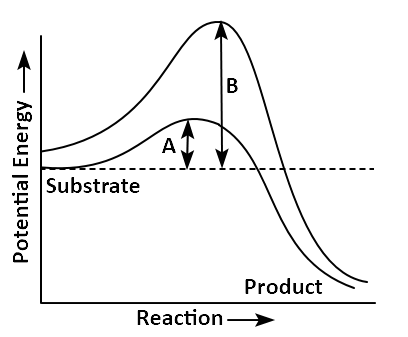
- Endothermic reaction with energy A in the presence of enzyme and B in the absence of enzyme
- Exothermic reaction with energy A in the presence of enzyme and B in the absence of enzyme
- Endothermic reaction with energy A in the absence of enzyme and B in the presence of enzyme
- Exothermic reaction with energy A in the absence of enzyme and B in the presence of enzyme
Show answer
Answer: (2) Exothermic reaction with energy A in the presence of enzyme and B in the absence of enzyme
Q74 NEET 2016 Phase 1 Different Amino Acids
- Cellulose is a polysaccharide
- Uracil is a pyrimidine
- Glycine is a sulphur-containing amino acid
- Sucrose is a disaccharide
Show answer
Answer: (3) Glycine is a sulphur-containing amino acid
Why: Glycine is not a sulphur-containing amino acid because its side chain is just a hydrogen atom. The sulphur-containing amino acids are methionine and cysteine. Cellulose is a polysaccharide, uracil is a pyrimidine base, and sucrose is a disaccharide made of glucose and fructose.
Q75 NEET 2016 Phase 1 Lipids: Fatty Acids
- One glycerol and three fatty acid molecules
- One glycerol and one fatty acid molecule
- Three glycerol and three fatty acid molecules
- Three glycerol molecules and one fatty acid molecule.
Show answer
Answer: (1) One glycerol and three fatty acid molecules
Why: A typical fat (triglyceride) molecule consists of one glycerol backbone esterified with three fatty acid molecules, which is why the option with one glycerol and three fatty acids is correct.
Biomolecules NEET PYQ 2015 (3 questions)
Q76 AIPMT 2015 Re-exam Carbohydrates: Cellulose, Chitin, Inulin & Agar
- Keratine sulphate and chondroitin sulphate
- D-glucosamine
- N-acetyl glucosamine
- Lipoglycans
Show answer
Answer: (3) N-acetyl glucosamine
Why: The chitinous exoskeleton of arthropods is built by polymerization of N-acetyl glucosamine units, which are linked together to form the chitin polysaccharide. D-glucosamine alone is not the repeating unit, and the sulphated glycosaminoglycans and lipoglycans listed in the other options are not components of chitin.
Q77 AIPMT 2015 Re-exam Nucleic Acid
Which of the following biomolecules have a phosphodiester bond?
- Fatty acids in a diglyceride
- Monosaccharides in a polysaccharide
- Amino acids in a polypeptide
- Nucleic acids in a nucleotide
Show answer
Answer: (4) Nucleic acids in a nucleotide
Why: A phosphodiester bond is the linkage in which a phosphate group joins the sugar of one nucleotide to the sugar of the next, forming the backbone of nucleic acids. It is therefore found between nucleotides in nucleic acids, not between fatty acids in a diglyceride, sugar units in a polysaccharide, or amino acids in a polypeptide, which are joined by ester or glycosidic or peptide bonds.
Q78 AIPMT 2015 Enzyme Inhibition: Introduction
Which one of the following statements is incorrect?
- A competitive inhibitor reacts reversibly with the enzyme to form an enzyme inhibitor.
- In competitive inhibition, the inhibitor molecule is not chemically changed by the enzyme.
- The competitive inhibitor does not affect the rate of breakdown of the enzyme-substrate complex.
- The presence of the competitive inhibitor decreases the km of the enzyme for the substrate.
Show answer
Answer: (4) The presence of the competitive inhibitor decreases the km of the enzyme for the substrate.
Why: The incorrect statement is the one claiming that a competitive inhibitor decreases the Km of the enzyme for its substrate. A competitive inhibitor instead increases the apparent Km, because more substrate is needed to reach half of the maximum rate, while the maximum rate itself remains unchanged.
Biomolecules NEET PYQ 2014 (2 questions)
Q79 AIPMT 2014 Carbohydrates
- Maltose
- Sucrose
- Lactose
- Ribose 5-phosphate
Show answer
Answer: (2) Sucrose
Why: Sucrose is a non-reducing sugar because the glycosidic bond joins the anomeric carbons of glucose and fructose, leaving no free aldehyde or ketone group. Maltose, lactose and ribose 5-phosphate all have a free reducing group.
Q80 AIPMT 2014 Enzyme Inhibition: Introduction
Select the option which is not correct with respect to enzyme action:
- Substrate binds with the enzyme at its active site.
- Addition of a lot of succinate does not reverse the inhibition of succinic dehydrogenase by malonate
- A non-competitive inhibitor binds the enzyme at a site distinct from that which binds the substrate
- Malonate is a competitive inhibitor of succinic dehydrogenase
Show answer
Answer: (2) Addition of a lot of succinate does not reverse the inhibition of succinic dehydrogenase by malonate
Why: The incorrect statement is the one saying that adding a large amount of succinate does not reverse the inhibition by malonate. Malonate is a competitive inhibitor that resembles succinate and binds the active site, so excess succinate outcompetes it and can reverse the inhibition, while the other statements about substrate binding at the active site, non-competitive binding at a distinct site and malonate being competitive are correct.
Biomolecules NEET PYQ 2013 (7 questions)
Q81 NEET 2013 (Karnataka) Mechanism of Enzymes
- Tissue (X) secretes RNA which changes the development of tissue (Y)
- As tissue (X) develops, it secretes enzymes that inhibit the development of tissue (Y)
- As tissue (X) develops, it secretes something that induces tissue (Y) to develop
- As tissues (X) develops, it secretes something that shows down the growth of tissue (Y)
Show answer
Answer: (4) As tissues (X) develops, it secretes something that shows down the growth of tissue (Y)
Q82 NEET 2013 (Karnataka) Nucleic Acid: Nucleotides
- nucleoside
- nucleotide
- purine
- pyrimidine
Show answer
Answer: (1) nucleoside
Why: Uridine is a nucleoside, formed by the pyrimidine base uracil joined to the sugar ribose, and it lacks a phosphate group. Uracil, and therefore uridine, occurs only in RNA, which is why uridine is the nucleoside present only in RNA.
Q83 NEET 2013 (Karnataka) Enzymes
- Enzymes are denatured at high temperatures
- Enzymes are mostly proteins but some are lipids also
- Enzymes are highly specific.
- Enzymes require optimum pH and temperature for maximum activity.
Show answer
Answer: (2) Enzymes are mostly proteins but some are lipids also
Why: The statement that some enzymes are lipids is incorrect, because enzymes are proteins, with the notable exception of catalytic RNA molecules called ribozymes, which are nucleic acids and not lipids. The other statements about denaturation at high temperature, high specificity, and optimum pH and temperature are correct.
Q84 NEET 2013 Enzyme Cofactors
The essential chemical components of many coenzymes are:
- Nucleic acid
- Carbohydrates
- Vitamins
- Proteins
Show answer
Answer: (3) Vitamins
Why: Many coenzymes, such as NAD+, FAD and coenzyme A, contain vitamins or vitamin derivatives as their essential chemical part. For example, niacin forms NAD and riboflavin forms FAD.
Q85 NEET 2013 Carbohydrates: Cellulose, Chitin, Inulin & Agar
- Phosphorus containing saccharide
- Sulphur containing polysaccharide
- Simple polysaccharide
- Nitrogen-containing polysaccharide
Show answer
Answer: (4) Nitrogen-containing polysaccharide
Why: Chitin is a structural polysaccharide built from N-acetylglucosamine units, which contain nitrogen in their amide groups, so it is a nitrogen-containing polysaccharide. This is the option stating nitrogen-containing polysaccharide.
Q86 NEET 2013 Lipids: Glycerolipids, Phospholipids & Glycerol
A phosphoglyceride is always made up of:
- only an unsaturated fatty acid esterified to a glycerol molecule to which a phosphate group is also attached.
- a saturated or unsaturated fatty acid esterified to a glycerol molecule to which a phosphate group is also attached.
- a saturated or unsaturated fatty acid esterified to a phosphate group which is also attached to a glycerol molecule.
- only a saturated fatty acid is esterified to a glycerol molecule to which a phosphate group is also attached.
Show answer
Answer: (2) a saturated or unsaturated fatty acid esterified to a glycerol molecule to which a phosphate group is also attached.
Why: A phosphoglyceride consists of glycerol esterified with one or two fatty acids that may be saturated or unsaturated, with a phosphate group attached to the glycerol. This is the structure described in the option stating a saturated or unsaturated fatty acid esterified to glycerol, with a phosphate group also attached.
Q87 NEET 2013 Mechanism of Enzymes
Transition state structure of the substrate formed during an enzymatic reaction is:
- permanent but unstable
- transient and unstable
- permanent and stable
- transient but stable
Show answer
Answer: (2) transient and unstable
Biomolecules NEET PYQ 2012 (5 questions)
Q88 AIPMT 2012 Mains Lipids
Which one of the following biomolecules is correctly characterised?
- Palmitic acid - an unsaturated fatty acid with 18 carbon atoms
- Adenylic acid - adenosine with a glucose phosphate molecule
- Alanine amino acid - Contains an amino group and an acidic group anywhere in the molecule
- Lecithin - a phosphorylated glyceride found in the cell membrane
Show answer
Answer: (4) Lecithin - a phosphorylated glyceride found in the cell membrane
Why: Lecithin is a phosphoglyceride, meaning a glycerol backbone esterified with fatty acids and a phosphate-containing group, and it is a major component of the cell membrane. Palmitic acid is a saturated fatty acid, adenylic acid is a nucleotide rather than adenosine bound to glucose phosphate, and alanine has its amino and acidic groups at fixed positions rather than anywhere in the molecule.
Q89 AIPMT 2012 Mains Enzyme Cofactors
For its activity, carboxypeptidase requires:
- Iron
- Niacin
- Copper
- Zinc
Show answer
Answer: (4) Zinc
Why: Carboxypeptidase is a digestive exopeptidase that needs zinc as a cofactor at its active site to function. Zinc is bound by the enzyme and helps polarise the peptide bond for hydrolysis.
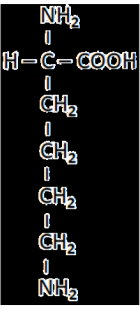
Q90 AIPMT 2012 Different Amino Acids
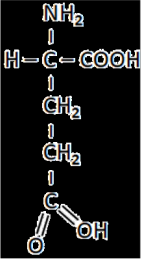
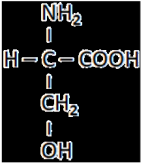
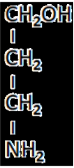
Which one out of A-D given below correctly represents the structural formula of the basic amino acid?
| A | B |
 |
 |
| C | D |
 |
 |
- C
- D
- A
- B
Show answer
Answer: (2) D
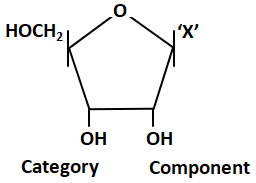
Q91 AIPMT 2012 Nucleic Acid: Nucleotides
Given below is the diagrammatic representation of one of the categories of small molecular weight organic compounds in the living tissues. Identify the category shown and the one blank component X in it:
- Category: Cholesterol; Component: Guanine
- Category: Amino acid; Component: NH2
- Category: Nucleotide; Component: Adenine
- Category: Nucleoside; Component: Uracil
Show answer
Answer: (4) Category: Nucleoside; Component: Uracil
Q92 AIPMT 2012 Proteins
Which one is the most abundant protein in the animal world?
- Trypsin
- Haemoglobin
- Collagen
- Insulin
Show answer
Answer: (3) Collagen
Why: Collagen is the most abundant protein in the animal world, forming the major structural component of connective tissues such as skin, tendons, bones and cartilage. Trypsin, haemoglobin and insulin are present in far smaller amounts and have specific enzymatic, transport or hormonal roles.
Biomolecules NEET PYQ 2011 (2 questions)
Q93 AIPMT 2011 Lipids
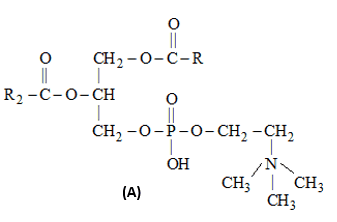
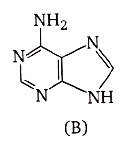
- A- Triglyceride – a major source of energy
- B- Uracil – a component of DNA
- A- Lecithin – a component of cell membrane
- B- Adenine – a nucleotide that makes up nucleic acids
Show answer
Answer: (3) A- Lecithin – a component of cell membrane
Q94 AIPMT 2011 Properties of Enzymes
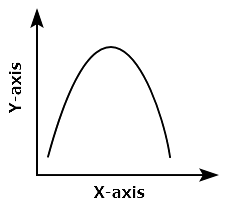
|
X-axis |
Y-axis |
|
|
(a) |
Temperature |
Enzyme activity |
|
(b) |
Substrate concentration |
Enzyme activity |
|
(c) |
Enzyme activity |
Temperature |
|
(d) |
Enzyme activity |
pH |
- (a)
- (b)
- (c)
- (d)
Show answer
Answer: (1) (a)
Biomolecules NEET PYQ 2008 (3 questions)
Q95 AIPMT 2008 Carbohydrates: Cellulose, Chitin, Inulin & Agar
Cellulose is the major component of cell walls of:
- pythium
- Xanthomonas
- Pseudomonas
- Saccharomyces
Show answer
Answer: (1) pythium
Why: Pythium is a water mould belonging to the oomycetes, and its cell walls are built largely of cellulose. Xanthomonas and Pseudomonas are bacteria whose walls contain peptidoglycan, and Saccharomyces is a yeast whose walls are made mainly of glucans and chitin.
Q96 AIPMT 2008 Carbohydrates: Starch & Glycogen
Carbohydrates are commonly found as starch in plant storage organs. Which of the following five properties of starch (A-E) make it useful as a storage material?
| (A) | Easily translocated |
| (B) | Chemically non-reactive |
| (C) | Easily digested by animals |
| (D) | Osmotically inactive |
| (E) | Synthesized during photosynthesis |
The useful properties are:
- (B) and (C)
- (B) and (D)
- (A), (C) and (E)
- (A) and (E)
Show answer
Answer: (2) (B) and (D)
Why: A good storage material must be chemically non-reactive (B), so it does not take part in metabolic reactions while stored, and osmotically inactive (D), so it does not raise the osmotic pressure of the cell and draw in water. Starch fulfils both conditions, which is why it is suited to storing carbohydrate in plant organs, whereas translocation, digestibility by animals and synthesis during photosynthesis are not what make it a good storage form.
Q97 AIPMT 2008 Enzyme Inhibition: Introduction
A competitive inhibitor of succinic dehydrogenase is:
- malonate
- oxaloacetate
- α-ketoglutarate
- malate
Show answer
Answer: (1) malonate
Why: Malonate is a structural analogue of succinate, the natural substrate of succinic dehydrogenase, and it binds the enzyme's active site without being oxidised. Because it blocks succinate from binding, it acts as a competitive inhibitor, which makes malonate the correct option.
Biomolecules NEET PYQ 2007 (2 questions)
Q98 AIPMT 2007 Element Analysis
- Submicroscopic molecular level
- Cellular level
- Organisms level
- Atomic level
Show answer
Answer: (1) Submicroscopic molecular level
Why: Biological organisation begins at the submicroscopic molecular level, where atoms combine into molecules such as proteins and nucleic acids, which then build up into cells, tissues, organs and organisms. The atomic level is considered below the biological level, so it is not the starting point of biological organisation.
Q99 AIPMT 2007 Enzyme Cofactors
Which one of the following is a fat-soluble vitamin and its related deficiency disease?
- Ascorbic acid - Scurvy
- Retinol - Xerophthalmia
- Cobalamine - Beri-Beri
- Calciferol - Pellagra
Show answer
Answer: (2) Retinol - Xerophthalmia
Why: Retinol, which is vitamin A, is fat-soluble and its deficiency causes xerophthalmia, a condition of dry and damaged eyes. The other pairs are mismatched: ascorbic acid is water-soluble, cobalamin deficiency causes anaemia rather than beri-beri, and pellagra is linked to niacin rather than calciferol.
Biomolecules NEET PYQ 2006 (1 question)
Q100 AIPMT 2006 Enzyme Cofactors
An organic substance bound to an enzyme and essential for its activity is called:
- coenzyme
- holoenzyme
- apoenzyme
- isoemzyme
Show answer
Answer: (1) coenzyme
Why: A coenzyme is an organic, non-protein molecule that binds loosely to an enzyme and is essential for its catalytic activity, as with NAD or coenzyme A. A holoenzyme is the complete active enzyme including its cofactor, an apoenzyme is the protein part alone, and an isoenzyme is one of several enzyme forms catalysing the same reaction.
Frequently asked questions
How many Biomolecules questions have been asked in NEET?
This archive holds 100 Biomolecules questions from 31 of 33 official NEET and AIPMT papers, 2006–2026. It counts every paper held here, including re-exam and regional papers.
Which topics of Biomolecules are asked most often?
By topic tag: Proteins (14), Enzyme Cofactors (12), Lipids (10), Carbohydrates: Cellulose, Chitin, Inulin & Agar (9) and Primary & Secondary Metabolites (8).
When was Biomolecules last asked?
The most recent paper in this archive with a question from this chapter is Re-NEET 2026.
Where do the answers come from?
Each answer is the option recorded as correct in the official answer key for that paper. Where a short explanation is shown, it was written separately and checked against the key; it is not part of the official paper. Questions marked NEET 2026 (3 May, cancelled) are from the cancelled first sitting: NTA issued no final key for it, so their answers are the key on record and have not been matched to an official key.
More Biology chapter-wise PYQs
← Structural Organisation in Animals Digestion and Absorption →
Botany, Class 11
- The Living World (25)
- Biological Classification (90)
- Plant Kingdom (88)
- Morphology of Flowering Plants (120)
- Anatomy of Flowering Plants (83)
- Cell: The Unit of Life (125)
- Cell Cycle and Cell Division (84)
- Photosynthesis in Higher Plants (69)
- Respiration in Plants (42)
- Plant Growth and Development (71)
Old syllabus (archive)
- Transport in Plants (39)
- Mineral Nutrition (49)
- Reproduction in Organisms (22)
- Environmental Issues (80)
- Digestion and Absorption (45)
Botany, Class 12
- Sexual Reproduction in Flowering Plants (118)
- Principles of Inheritance and Variation (155)
- Molecular Basis of Inheritance (172)
- Strategies for Enhancement in Food Production (36)
- Microbes in Human Welfare (66)
- Organisms and Populations (86)
- Ecosystem (87)
- Biodiversity and Conservation (86)
Zoology, Class 11
- Animal Kingdom (109)
- Structural Organisation in Animals (90)
- Breathing and Exchange of Gases (56)
- Body Fluids and Circulation (68)
- Excretory Products and their Elimination (54)
- Locomotion and Movement (58)
- Neural Control and Coordination (53)
- Chemical Coordination and Integration (76)
Zoology, Class 12
- Human Reproduction (109)
- Reproductive Health (67)
- Evolution (101)
- Human Health and Disease (100)
- Biotechnology: Principles and Processes (118)
- Biotechnology and its Applications (101)
Want more than past papers? Practise all 2,200 Biomolecules questions on NEETprep.